Hasbrouck Heights Local
Chimney Sweep in Paramus, NJ
John Daraio serves Paramus homeowners with cleaning, inspections, and repairs. Call (551) 755-0325 to reach him directly.
A Chimney Company You Can Trust
- Owner-operatedJohn Daraio
- 7Chimneyservices
- 50Townson the route
- Hasbrouck HeightsNJ · home base
Serving Paramus
Paramus Chimney Sweep and Inspection Services
If you're scheduling before the heating season or dealing with a chimney that's been sitting unused since last winter, the call goes straight to John at (551) 755-0325. No dispatcher, no subcontractor relay. Creosote doesn't wait for a convenient time to ignite, and a chimney that looks fine from the living room can have stage-two buildup that a camera inspection catches in the first pass.
Most of the homes John works on in Paramus were built in the mid-20th century, Colonials, Cape Cods, and Tudors that have been running the same masonry chimney for 50 or 60 years. That age bracket comes with predictable problems: deteriorated mortar joints, cracked flue tiles from decades of freeze-thaw cycling through North Jersey winters, and chimney throats that were sealed improperly at some point and never corrected.
Paramus sits on a 36-inch frost line, and that annual ground movement puts real stress on chimney bases over time. If a property is changing hands, be aware that a Level 2 chimney inspection is required in New Jersey upon sale or transfer, and the Paramus Borough Building Department issues permits for replacement fuel-fired equipment alongside a UCC-F370 Chimney Verification form.
What Paramus Chimneys Actually Need
Older Paramus housing stock creates specific chimney problems. Here is what shows up most often.
Chimney Cleaning
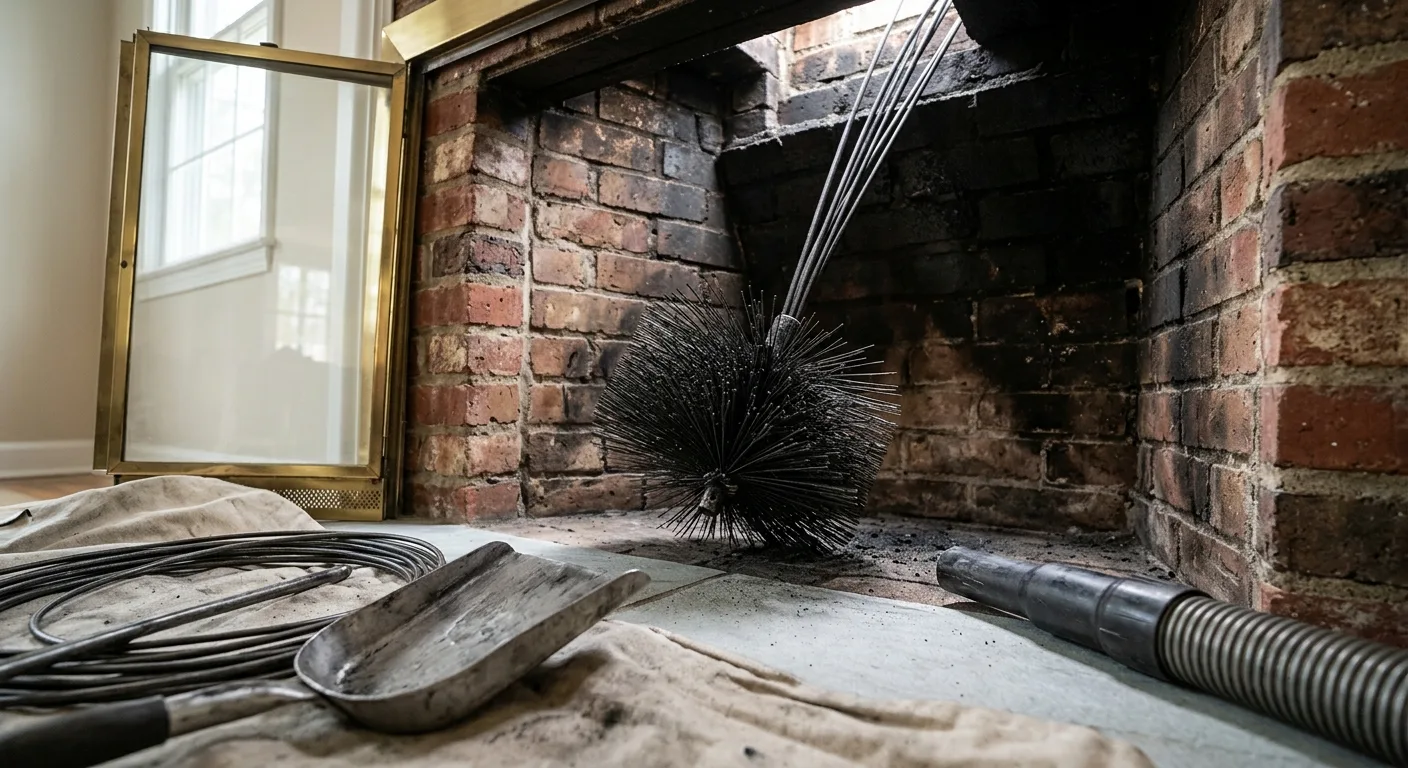
A full chimney cleaning removes creosote and soot from the flue lining, smoke chamber, and firebox. For Paramus homes burning wood through a long NJ heating season, annual cleaning isn't optional. It's the difference between a fire in the fireplace and a fire in the wall.
Level 1 and Level 2 Inspections
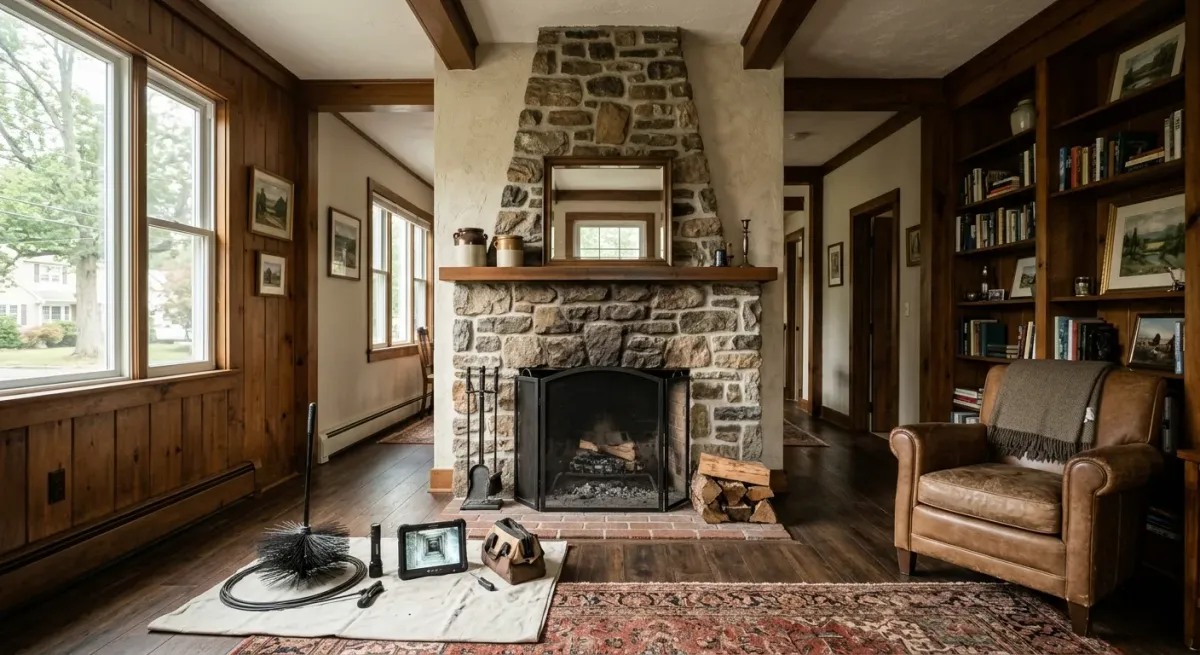
A Level 1 inspection covers accessible parts of the chimney during a standard cleaning visit. A Level 2 goes further, camera documentation of the flue interior, examination of attic and crawl space areas, and a written report. NJ requires Level 2 on any property transfer in Paramus, and John carries the equipment to do it properly.
Smoke Chamber Cleaning
The smoke chamber sits just above the firebox and collects glazed creosote that standard sweeping misses. Many sweeps skip it entirely. John cleans it as part of a thorough service visit because leaving it coated is leaving the most dangerous creosote deposit in place.
Chimney Repair and Restoration
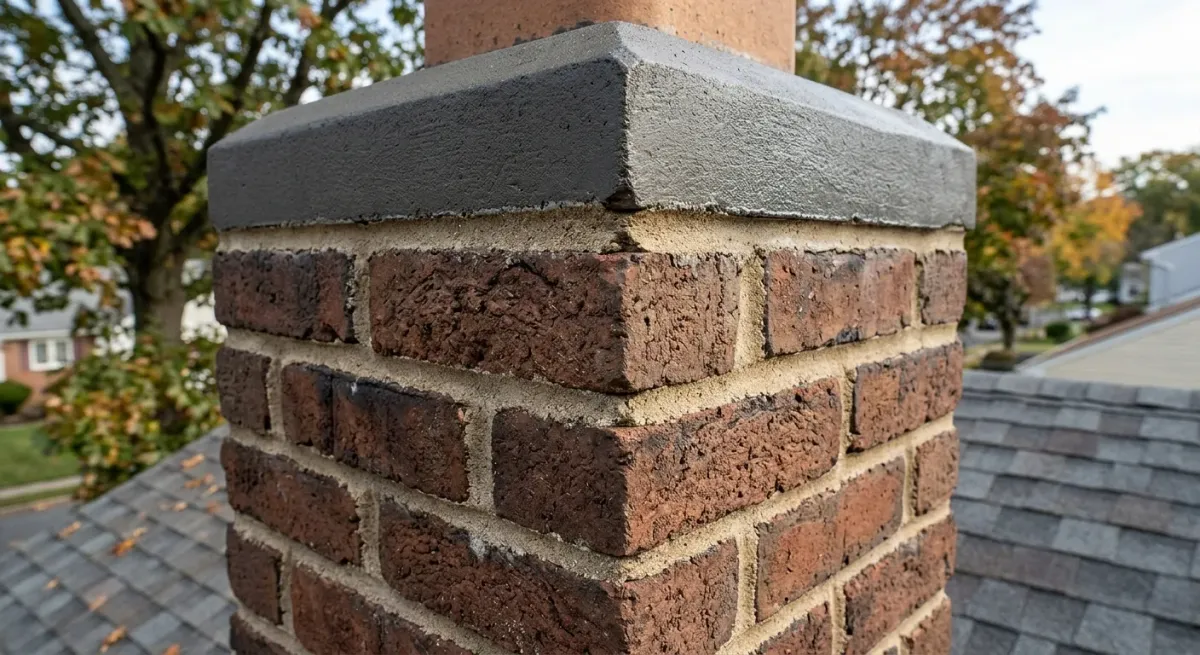
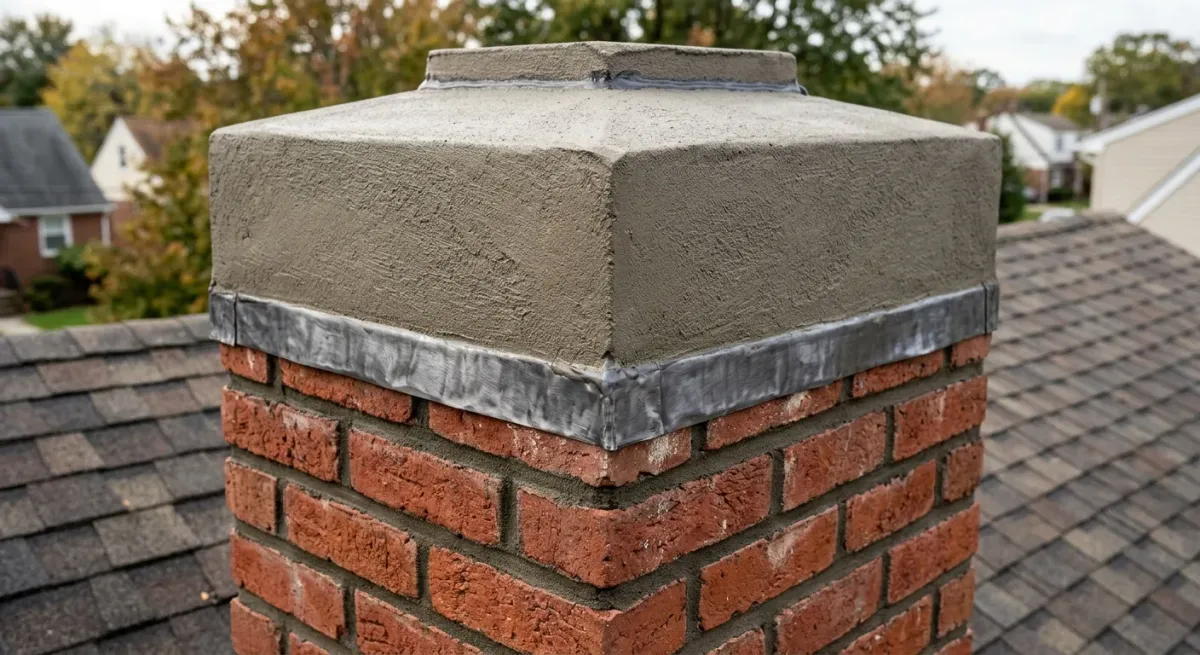
Spalling brick, failed mortar, cracked crowns. These are common in Paramus homes built before 1970. Ignoring them lets moisture in through the freeze-thaw cycle every winter until the damage reaches the liner. A chimney repair done while the problem is contained costs a fraction of what structural work runs later.
Rain Cap Installation
Paramus storms are not gentle, severe thunderstorms have caused real property damage across Bergen County. A rain cap keeps water, debris, and animals out of an open flue. It's one of the lowest-cost protective measures on a chimney and one of the most skipped.
Downdraft Repair
If smoke is rolling back into your Paramus home when you open the damper, that's a downdraft problem. It won't fix itself. Downdraft repair identifies whether the cause is a draft pressure issue, a cap problem, or a flue sizing mismatch, and corrects it.
Creosote Facts
How Creosote Builds in NJ Heating Seasons
Creosote is the byproduct of incomplete combustion, wood smoke that cools before it exits the flue deposits a tar-like residue on the liner walls. In North Jersey, the heating season runs long and cold, which means more fires, more smoke, and more accumulation than in milder climates. Stage one is a light, brushable soot. Stage two is a harder, flakier deposit that still cleans with the right tools. Stage three is a glazed, hardened coating that is genuinely dangerous and significantly harder to remove.
Temperature matters: fires that smolder at low heat produce far more creosote than hot, well-established burns. Paramus homeowners who load the fireplace tight and let it die overnight are building stage-two deposits faster than they probably realize. Annual cleaning catches it before it progresses. Honestly, once you're at stage three, cleaning alone isn't always the answer, relining becomes the conversation. Get it swept every year and that conversation doesn't happen.
NJ Requirements
Paramus Inspection Rules Worth Knowing Before You List
New Jersey requires a Level 2 chimney inspection when a property is sold or transferred, or when the fuel type or heating appliance changes. That requirement applies to Paramus real estate transactions, and the Paramus Borough Building Department is the local authority on permits for chimney and fuel-equipment work. The UCC-F370 Chimney Verification form is the document that accompanies replacement fuel-fired equipment installation.
If you're a buyer, seller, or real estate agent in Paramus trying to close a transaction with a chimney in the picture, a Level 2 report from a qualified inspector is not a luxury item. John provides that inspection with camera documentation and a written report you can hand to the other party. Call (551) 755-0325 to get it scheduled. We don't subcontract the inspection out, John does it himself, which means the person who signs the report is the person who ran the camera.
Hard Water and What It Does to Paramus Chimneys
Paramus water, supplied by Veolia Water New Jersey Hackensack, tests at 12.3 grains per gallon. That's classified as very hard. Hard water accelerates mineral deposit buildup on masonry surfaces exposed to roof runoff, and it degrades mortar joints faster than soft-water areas. A chimney crown that holds standing water after rain is absorbing mineral-laden water into the masonry with every wet cycle. Over a Paramus winter, that moisture freezes at the 36-inch frost line, expands, and pushes cracks wider.
This is why chimney crowns in Bergen County need inspection more often than homeowners expect, and why a rain cap installation that diverts water away from the crown is worth doing before the damage starts rather than after. If you've noticed white staining (efflorescence) on your chimney exterior, that's mineral deposits migrating through the masonry. A sign that water is already getting in.
Gap Sealing, Flex Seal, and What Actually Works
The Gap Between Chimney and House
A gap where the chimney meets the roofline or house siding is a moisture entry point, not a cosmetic issue. It lets water into the attic and wall cavity, and in Paramus winters, that water freezes and the gap widens each year. Sealing it correctly requires the right flashing material and technique, not caulk applied from a tube.
Why Flex Seal Doesn't Work Here
Flex seal and similar spray products are not rated for chimney flashing applications. They don't bond correctly to the masonry-to-roofing interface, they degrade under UV and freeze-thaw cycling, and they don't address the underlying flashing failure. If someone used it on your chimney before you bought the house, John will find it during inspection and tell you what it actually needs.
Attic Leaks Around the Chimney
If there's a leak in your Paramus attic near the chimney, the chimney flashing is the most likely source. Counter-flashing that's separated from the mortar joint, step flashing that's corroded, or a crown that's cracked all allow water to travel down the chimney chase and into the attic. This is a repair job, not a sealing job. Call (551) 755-0325 and describe what you're seeing, John can tell you on the phone what category of problem it sounds like.
Service area
Towns Served Near Paramus
Apex Pro Chimney Solution works throughout Bergen County. From Paramus, John also serves nearby towns including:
50 towns served, 8 shown on this map
Route stops
8 of our 50 townsSchedule Your Paramus Chimney Sweep
John Daraio takes the call himself.
Frequently asked questions
Answers to your most common questions
What's the difference between a Level 1 and Level 2 chimney inspection in Paramus?
A Level 1 inspection covers the accessible portions of the chimney, the firebox, damper, and flue as visible without specialized tools, and is appropriate for a chimney that's been in regular use without changes. A Level 2 is required by NJ code when a Paramus property is sold, when the fuel type changes, or when a new appliance is installed. It includes camera documentation of the full flue interior and a written report. If you're buying or selling a home in Paramus, assume you need Level 2.
What is creosote and why does it matter for my Paramus chimney?
Creosote is a combustion byproduct that deposits on the flue liner when smoke cools before exiting. In Paramus, where heating seasons are long and homes often run wood-burning fireplaces through sustained cold stretches, creosote accumulates faster than in milder climates. Stage one brushes out during a normal sweep. Stage two needs more aggressive cleaning. Stage three is a glazed, hardened deposit that's a serious fire hazard. Annual cleaning prevents progression. Once you're at stage three, you're talking about relining, not just sweeping.
How do I know if the chimney sweep who came to my Paramus home did a thorough job?
A thorough sweep includes the full flue, the smoke chamber above the firebox, and the firebox itself. Ask whether the smoke chamber was cleaned. Many sweeps skip it because it's harder to reach. Camera inspection of the flue interior after cleaning gives you documentation of the liner condition. If the tech was in and out in under 30 minutes on a chimney that hasn't been swept in a few years, that's a red flag. John will walk you through what he found and show you camera footage if there's anything to see.
Does the Paramus Borough Building Department require a permit for chimney work?
Permit requirements in Paramus depend on the scope of work. Replacement of fuel-fired equipment requires a UCC-F370 Chimney Verification form through the Paramus Borough Building Department. Routine cleaning and inspection typically don't require permits. Structural repair, relining, or new fireplace installation may trigger a permit requirement. John can tell you based on what the job actually involves, and if a permit is needed, that's the right answer, not something to work around.
Can I fix the gap between my chimney and my house with caulk or spray sealant?
No. Products like Flex Seal are not rated for the chimney-to-roofline interface. They don't bond correctly to the combination of masonry and roofing materials, and they fail under the freeze-thaw cycling Paramus sees every winter. The gap you're seeing is a flashing failure, either the counter-flashing has separated from the mortar joint or the step flashing has corroded. That needs to be properly reflashed, not sealed over. A product applied over a failing flashing gives you a few months before water is coming in again.
Will homeowners insurance cover chimney repair for my Paramus home?
It depends on the cause. Damage from a covered event, a storm, a lightning strike, a chimney fire, is typically covered subject to your deductible. Deterioration from age, deferred maintenance, or gradual moisture intrusion is almost always excluded as a maintenance issue.
Paramus homeowners dealing with storm damage (Bergen County does see significant thunderstorm activity) should document everything and get a professional inspection report to support a claim. John can provide written documentation of what he found and what caused it. Contact your insurer directly on coverage questions.
Why should I get my Paramus chimney inspected before the first fire of the season?
A chimney that sat idle all summer can have animal nests, debris blockages, or liner damage from spring moisture that you won't see from the firebox. North Jersey's freeze-thaw cycles through winter and early spring can crack flue tiles that looked intact the prior fall. Running a fire through a blocked or cracked flue is the scenario that causes chimney fires and carbon monoxide intrusion. A pre-season chimney inspection takes about an hour and answers the question before it becomes an emergency.
Related
Next step
Tell us about the job
Your name, your number and what needs doing. A person from Apex Pro Chimney Solution gets back to you.
- Send the detailsYour name, your number and what needs doing.
- John gets back to youA person, not a call center.
- On-site assessmentThe chimney is checked before any work starts.
Request an estimate
No obligation