
Hasbrouck Heights Local
Chimney Rain Cap Installation in Hasbrouck Heights
Protect your flue from moisture, animals, and freeze-thaw damage with a properly fitted cap.
A Chimney Company You Can Trust
- Owner-operatedJohn Daraio
- 7Chimneyservices
- 50Townson the route
- Hasbrouck HeightsNJ · home base
Chimney Rain Cap Installation
Rain Cap Installation for Bergen County Chimneys
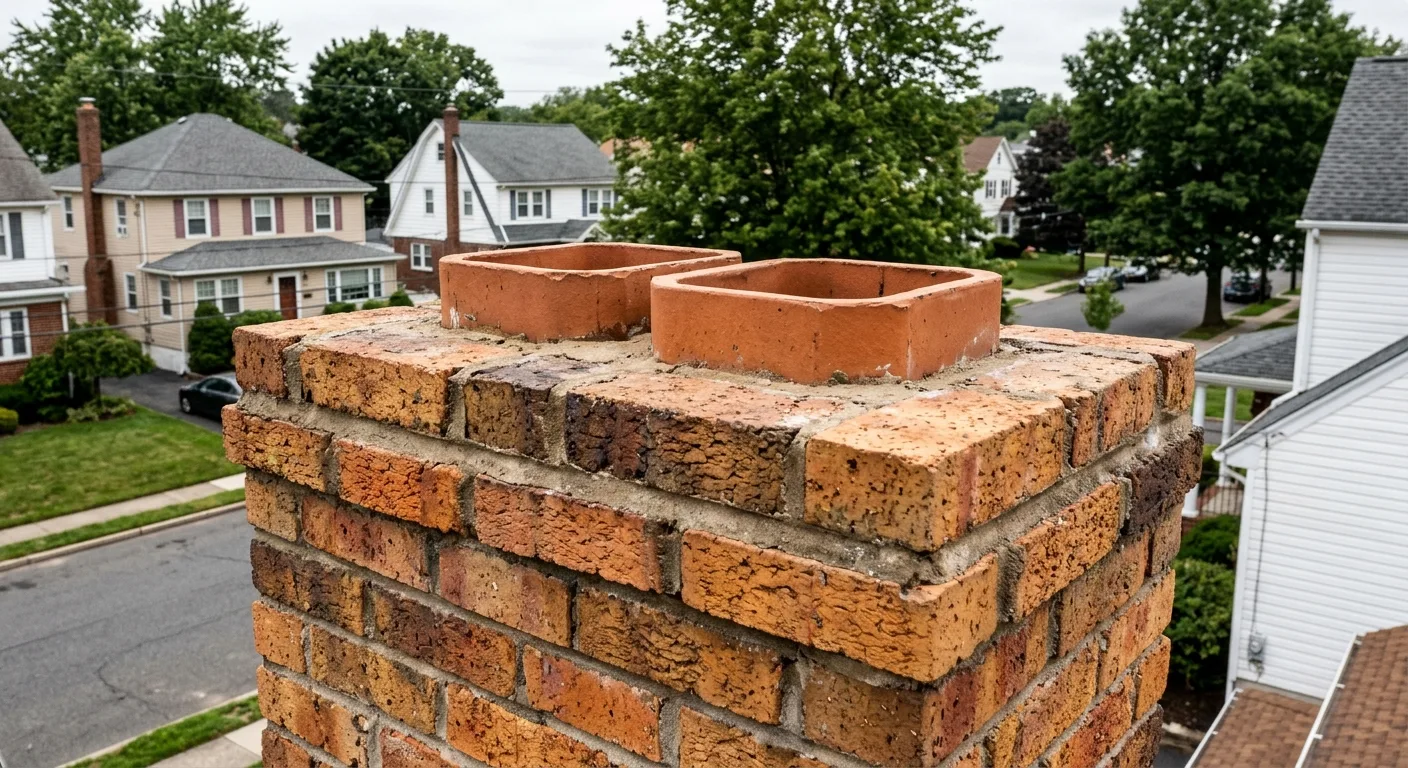
Chimney rain cap installation in Hasbrouck Heights is one of the most straightforward protective measures a homeowner can take, and Apex Pro Chimney Solution handles it from sizing to final fitting for homes throughout Bergen County. A missing or failing cap leaves your flue liner open to rain, nesting birds, and the debris that blows in off the Meadowlands corridor every season. John Daraio installs professional-grade stainless steel and copper caps backed by a lifetime warranty, and every installation includes a complimentary 12-point safety inspection so you know exactly what condition the rest of your chimney system is in. If you've noticed water in your firebox after a storm or a draft that doesn't behave like it used to, call John directly at (551) 755-0325.
The installation process itself is straightforward when it's done correctly: we measure the flue opening, select a cap sized to allow proper draft while sealing out water and wildlife, and fit it flush with the crown so there are no gaps for moisture to find. What drives cost up or down is mostly cap material, flue size, and the condition of the crown and masonry at the top of the chimney.
A single-flue cap on an intact crown is a quick job. A two-flue cap on a crown that needs patching before the cap can seat properly takes longer and costs more. We follow NFPA 211 standards on every installation. Every job is different, so contact Apex Pro Chimney Solution for an accurate estimate.
What a Rain Cap Actually Does
Three problems, one fitting. Here's what the cap is stopping.
Water Intrusion
Rain falls directly into an uncapped flue and sits on the smoke shelf, inside the smoke chamber, and at the base of the firebox. Over a Bergen County winter, that moisture freezes, expands, and cracks mortar joints from the inside. A cap with a drip-edge overhang stops that cycle before it starts.
Animal Entry
Chimney swifts, starlings, and squirrels treat an open flue as ready-made shelter. Once a bird or animal nests inside, the chimney cleaning job becomes significantly more involved, and the fire risk from debris goes up. A properly fitted mesh cap ends that problem.
Downdraft and Wind Shear
A cap with a solid hood deflects wind that would otherwise push back down the flue and drive smoke into the room. It's not a substitute for a full chimney downdraft repair diagnosis, but it eliminates one of the most common causes of occasional backpuffing in homes near open areas.
Debris Accumulation
Leaves, twigs, and seed pods can pack a flue liner enough to reduce draft and create a fire risk. The mesh sides of a quality cap catch those before they reach the smoke chamber. We check the mesh condition during our 12-point inspection so blockages don't develop quietly between visits.
Materials
Cap Material: What Holds Up in NJ Weather
Galvanized steel caps are what most hardware stores sell. They're cheap, and they show it. In Bergen County's humidity and freeze-thaw climate, galvanized caps rust through in three to five years and leave brown streaks down your masonry. We don't install them. Stainless steel is the standard we carry for almost every installation: it won't rust, it won't corrode from flue gases, and it comes with a lifetime warranty from us.
Copper is the premium option, mostly chosen for aesthetics on older colonials and Tudors where the patina matches the architectural character of the house. It costs more upfront and outlasts the house. Both stainless and copper meet NFPA 211 requirements and are compatible with wood-burning, gas, and oil appliance flues. If someone quotes you galvanized at a lower number, factor in the replacement you'll be paying for in a few years.
The Process
How Rain Cap Installation Works, Step by Step
Measure and Inspect the Flue
We start at the top of the chimney, not at the showroom. The flue is measured precisely, the crown is examined for cracks, and the existing cap, if there is one, is checked for rust, warping, or failed seals. A cap sized wrong or seated on a deteriorated crown won't protect anything.
Select and Fit the Cap
We match the cap to the flue dimensions and chimney type. Single-flue caps fit one liner opening. Multi-flue caps cover the entire crown when you have two or more flues. The cap is secured so it won't shift in high wind, and the mesh opening is verified to allow adequate draft without becoming a debris trap.
12-Point Safety Check Before We Leave
Every rain cap installation includes our complimentary 12-point safety inspection. We look at the crown, flashing, visible liner sections, and the cap fit itself. If we spot something that needs a follow-up, like a crown repair or flashing work, we tell you before we pack up. A chimney inspection at the same time as the cap install is the most efficient way to get your whole system checked in one visit.
Rain Caps vs. Dampers vs. Chase Covers: Which One Do You Need?
These three get confused constantly, and the confusion leads to homeowners buying the wrong thing or paying for something they already have. A rain cap sits at the very top of the flue, above the chimney crown, and its job is specifically to block water, animals, and debris from entering the open flue. A damper is an internal device inside the firebox or at the top of the flue that you open when you're burning and close when you're not. Some top-mounted dampers also incorporate a cap function.
A chase cover is flat metal sheeting that seals the top of a prefabricated or factory-built chimney chase, which doesn't have a masonry crown. If your home in Hasbrouck Heights has a traditional masonry chimney, you need a rain cap. If it has a manufactured fireplace with a metal chase, you need a chase cover. If you're not sure which you have, that's the first question we answer when we come out, and we won't upsell you on a component you don't need.
Signs Your Current Cap Is Failing
Any one of these is worth a call before it becomes a masonry repair.
Water in the Firebox
Puddles or rust stains inside the firebox after rain mean water is getting through, either from a failed cap, cracked crown, or both. Water damage to the smoke chamber and liner compounds quickly in freeze-thaw conditions.
Rust Streaks on the Masonry
Brownish-orange streaks running down the chimney exterior usually mean a galvanized cap has started to corrode. The rust follows the water path down the brick. It's cosmetically unpleasant, but the bigger issue is what that water is doing inside the flue before it exits.
Animal Sounds or Smells
Scratching, chirping, or a persistent musty smell near the fireplace often means something has gotten in through a damaged or missing cap. Call before you light a fire. A blocked flue is a carbon monoxide risk, not just a nuisance.
Visible Cap Damage from the Ground
A cap that's visibly tilted, has bent mesh sides, or shows heavy surface rust can be spotted from the yard with binoculars. If the cap has physically separated from the flue, it's no longer doing its job even if it's still sitting up there.
Service Area
Hasbrouck Heights and Surrounding Bergen County Towns
We install rain caps, inspect chimney crowns, and service complete chimney systems throughout Bergen County. Homes in Wood Ridge, Carlstadt, Elmwood Park, and the surrounding towns are welcome to call John directly at (551) 755-0325.
Home base
Hasbrouck Heights, NJ
50 towns served, 11 shown on this map
What a Professional Installation Covers
Every rain cap installation by Apex Pro Chimney Solution includes these, no exceptions.
-
Lifetime warranty
On all stainless steel and copper rain caps we supply and install
-
Complimentary 12-point safety inspection
Performed during every installation visit
-
NFPA 211 compliance
Every cap and installation method meets current chimney safety code
Schedule Your Rain Cap Installation
A cap is the least expensive thing that protects the most expensive part of your chimney system. Call John at Apex Pro Chimney Solution before the next heavy rain finds the gap.
Frequently asked questions
Answers to your most common questions
Do chimneys actually need a rain cap, or is it optional?
It's not optional if you want to protect the flue liner and masonry. Bergen County's climate runs through repeated freeze-thaw cycles every winter. Water that enters an uncapped flue saturates mortar joints and expands when it freezes, cracking the liner from the inside. A cap costs a fraction of what a partial liner replacement runs. Think of it as the cheapest form of chimney maintenance available.
What's the difference between a rain cap and a chimney damper?
A rain cap mounts at the very top of the flue, outside on the crown, and physically blocks water, animals, and debris. A damper is inside the chimney, either in the firebox throat or at the top of the flue, and controls airflow during and after a fire. Some top-mounted dampers combine both functions in one unit. If your fireplace loses heat when it's not in use, that's a damper issue. If water is getting in, that's a cap issue. Sometimes both need attention.
How much does chimney rain cap installation cost?
Cap installation cost depends on the flue size, how many flues need coverage, the cap material you choose, and whether the crown needs any repair work before the cap can seat correctly. Stainless steel and copper caps cost more than galvanized, but they come with a lifetime warranty and won't need replacement in five years. Every job is different, so contact Apex Pro Chimney Solution for an accurate estimate.
What type of rain cap material is best for New Jersey weather?
Stainless steel is our standard recommendation for almost every Hasbrouck Heights home. It handles humidity, flue gases, and freeze-thaw cycles without corroding, and it won't leave rust streaks on your brick. Copper performs equally well and looks exceptional on older colonials, but it's a higher upfront cost. Galvanized is what hardware stores sell. We don't install it because it rusts through in a few years in NJ conditions and ends up costing more over time.
How often should a chimney rain cap be inspected or replaced?
The cap should be visually checked every year, ideally during your annual chimney inspection. A stainless steel or copper cap we install carries a lifetime warranty, so replacement is typically triggered by physical damage, not normal wear. Galvanized caps usually need replacement every three to seven years in Bergen County's climate. If you see rust streaks on the chimney exterior or water in the firebox, get the cap checked before the next heating season.
Is chimney rain cap installation something I can DIY?
Technically a cap can be placed without professional help, but getting it right requires measuring the flue accurately, verifying the crown is in condition to support the cap correctly, and understanding which cap type matches your specific chimney configuration. An improperly sized cap restricts draft and can cause smoke problems. A cap seated on a cracked crown lets water in around the edges. Having a professional install it also means a lifetime warranty applies, which a hardware-store install won't carry.
Can a missing or damaged rain cap cause water damage inside my home?
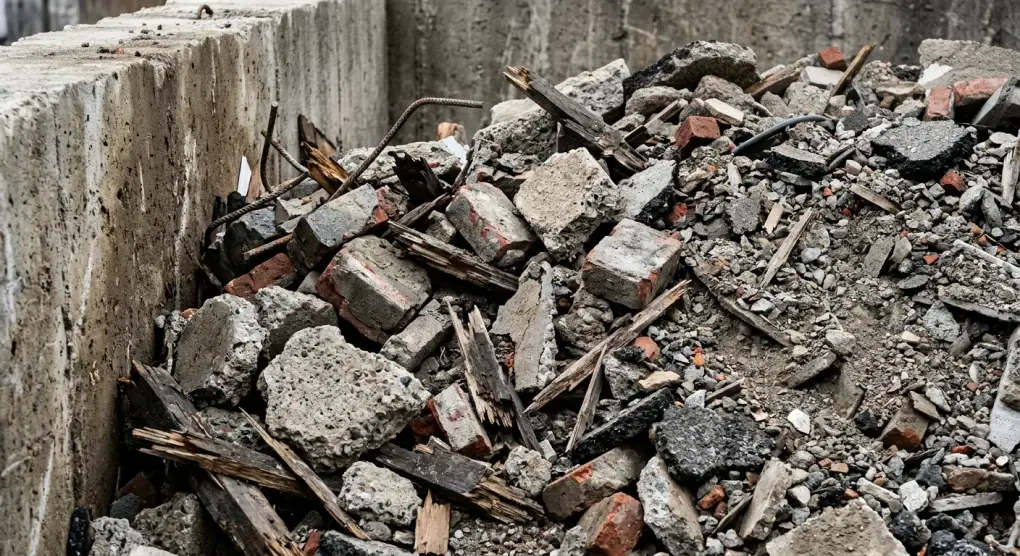
Yes, and the damage isn't limited to the chimney itself. Water that enters the flue can migrate into the smoke chamber, deteriorate the liner, and eventually reach the ceiling and wall framing around the fireplace. In homes with older masonry, that water accelerates spalling brick and crumbling mortar at a rate that turns a cap replacement into a full chimney repair. A chimney repair call is usually more expensive than the cap installation that would have prevented it.
Does rain cap installation require a permit in Hasbrouck Heights, NJ?
Cap installation on an existing chimney generally doesn't require a standalone permit in most Bergen County municipalities, but this varies depending on scope. If the work involves crown repair, flashing, or any structural modification, permitting requirements may apply. We're familiar with local requirements and will tell you upfront if your installation needs any additional steps. A chimney inspection before the install helps clarify exactly what's involved.
Related
Next step
Tell us about the job
Your name, your number and what needs doing. A person from Apex Pro Chimney Solution gets back to you.
- Send the detailsYour name, your number and what needs doing.
- John gets back to youA person, not a call center.
- On-site assessmentThe chimney is checked before any work starts.
Request an estimate
No obligation