
Hasbrouck Heights Local
Chimney Sweep in River Edge, NJ
John Daraio serves River Edge homeowners with chimney cleaning, inspections, and repairs. Call (551) 755-0325 direct.
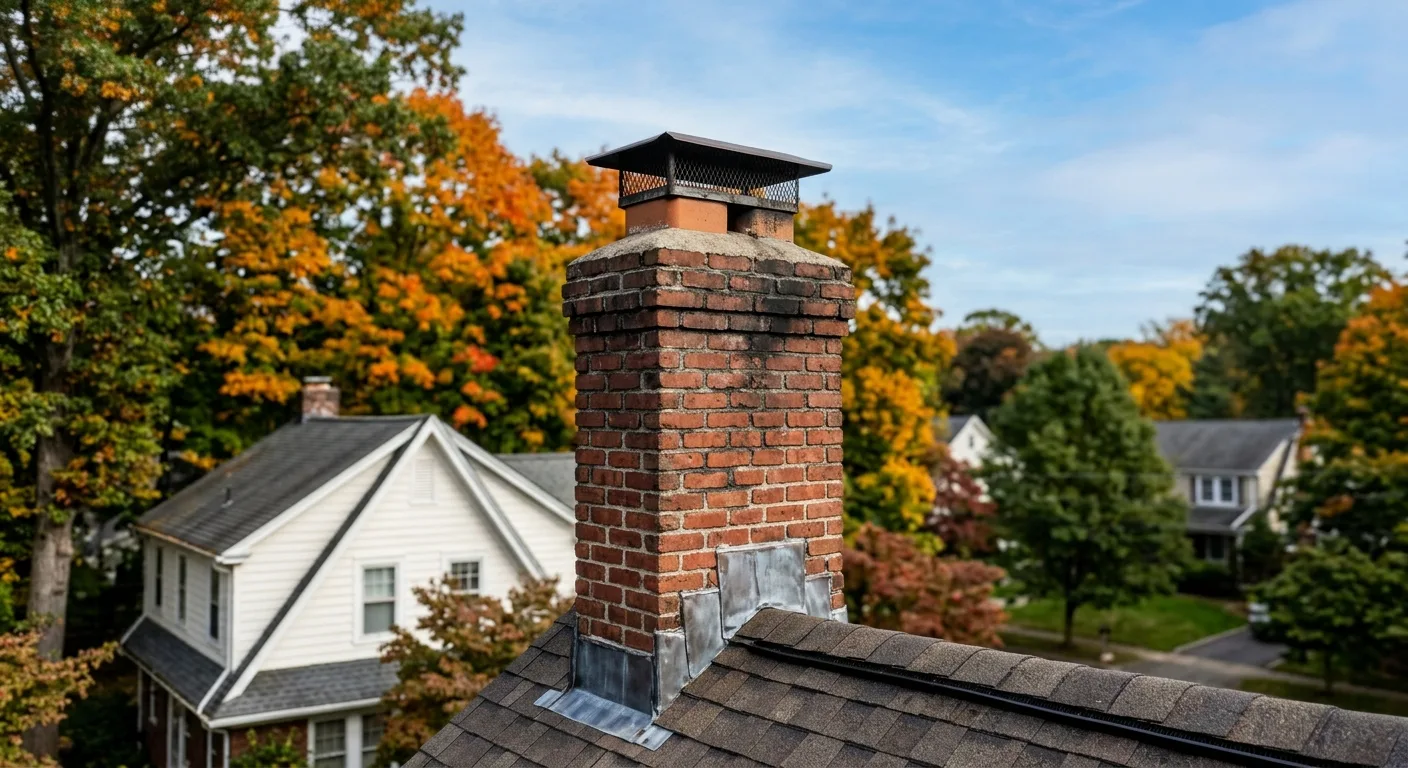
A Chimney Company You Can Trust
- Owner-operatedJohn Daraio
- 7Chimneyservices
- 50Townson the route
- Hasbrouck HeightsNJ · home base
Serving River Edge
River Edge Chimney Sweep and Inspection Services
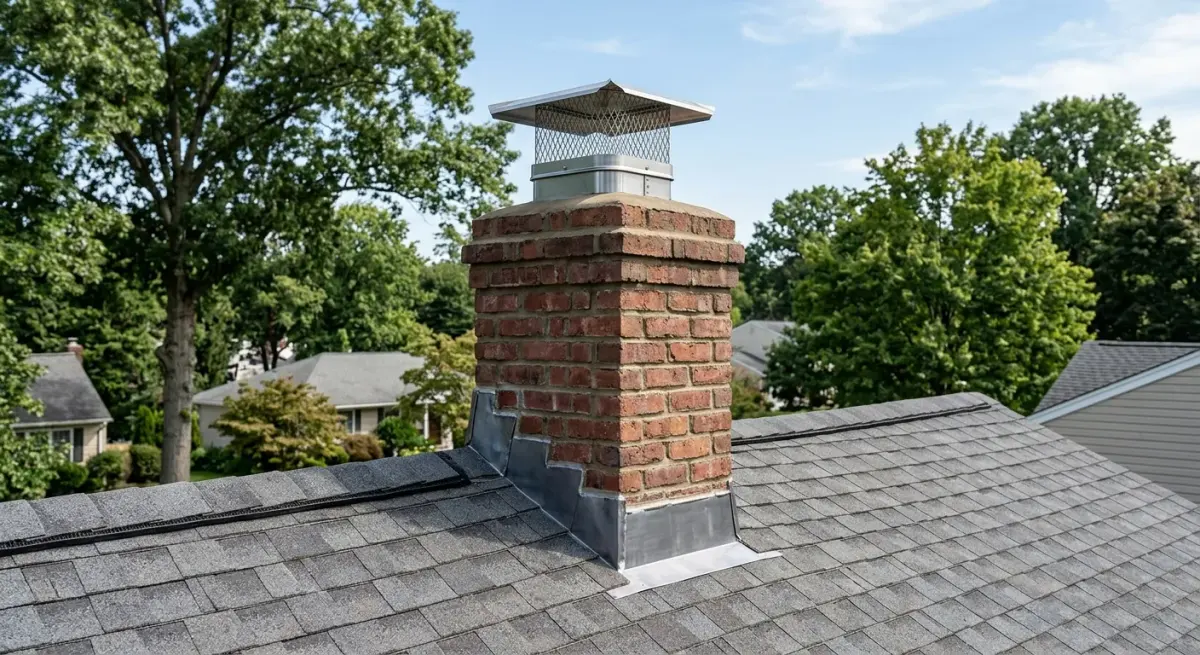
Apex Pro Chimney Solution provides professional chimney sweep services in River Edge, NJ, cleaning, inspecting, and repairing chimneys for homeowners across the borough. If your fireplace hasn't been swept since last heating season, here's the honest answer on timing: the National Fire Protection Association recommends annual chimney inspections and cleaning as needed, and River Edge's October-through-April heating season means your system works hard enough to accumulate creosote fast. Call John Daraio directly at (551) 755-0325 and skip the call-center runaround. He's the one who'll show up.
River Edge's housing stock tells you exactly what we deal with here. The median home in this borough was built in 1954, and a 70-year-old colonial or ranch with an original clay-lined chimney is a different animal than a newer build. Clay liners crack, mortar joints erode, and flashing fails quietly, often for years before you notice smoke where it doesn't belong.
River Edge also sits alongside the Hackensack River, and that riverfront humidity accelerates moisture intrusion in masonry chimneys. The Borough of River Edge Building Department requires permits for chimney repair and restoration work, and a 'Chimney Verification' form is listed under their building forms, something worth knowing before any significant work starts.
Our services
What River Edge Chimneys Actually Need
Most River Edge homes were built before modern chimney standards. Here's what that means for your system.
Chimney Cleaning
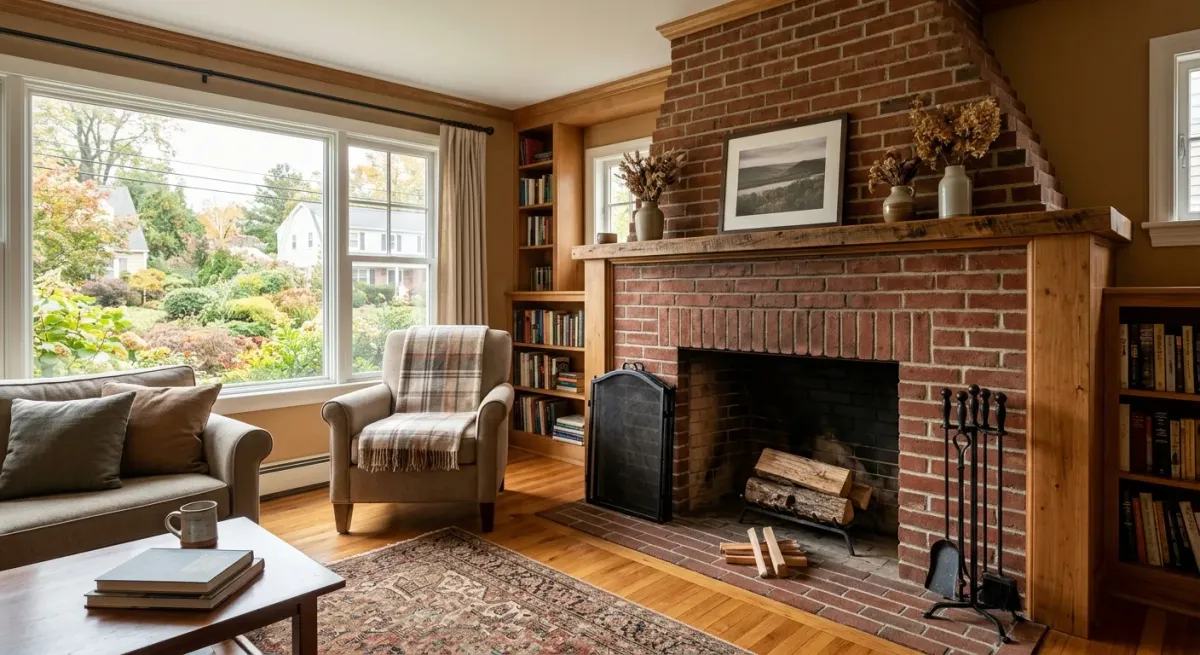
Creosote builds in three stages. Stage one is light and brushes away easily. Stage three is glazed and almost impossible to remove without chemical treatment. One heating season of heavy use in a River Edge home can push a clean flue toward stage two. We clear it before it becomes a fire risk.
Chimney Inspection
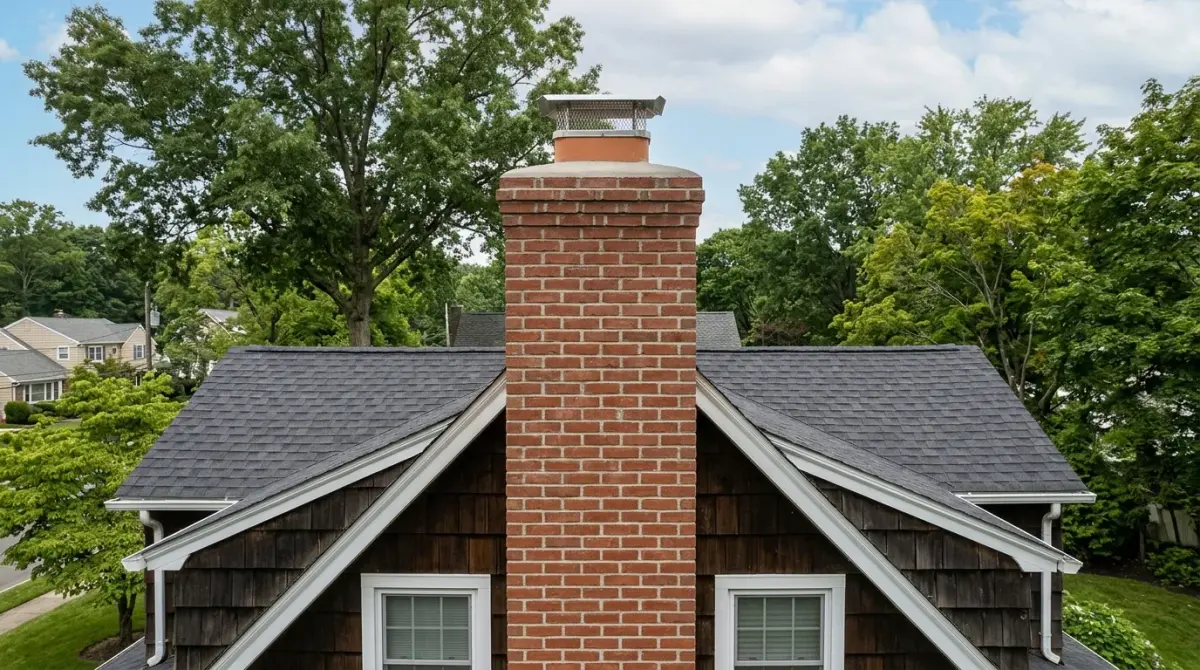
Level 1 covers accessible portions during routine service. Level 2 is required when selling a home or after any significant change, relevant in River Edge's active real estate market. Level 3 involves opening up the structure when hidden damage is suspected. We'll tell you which level your situation calls for, not the most expensive one.
Chimney Repair and Restoration
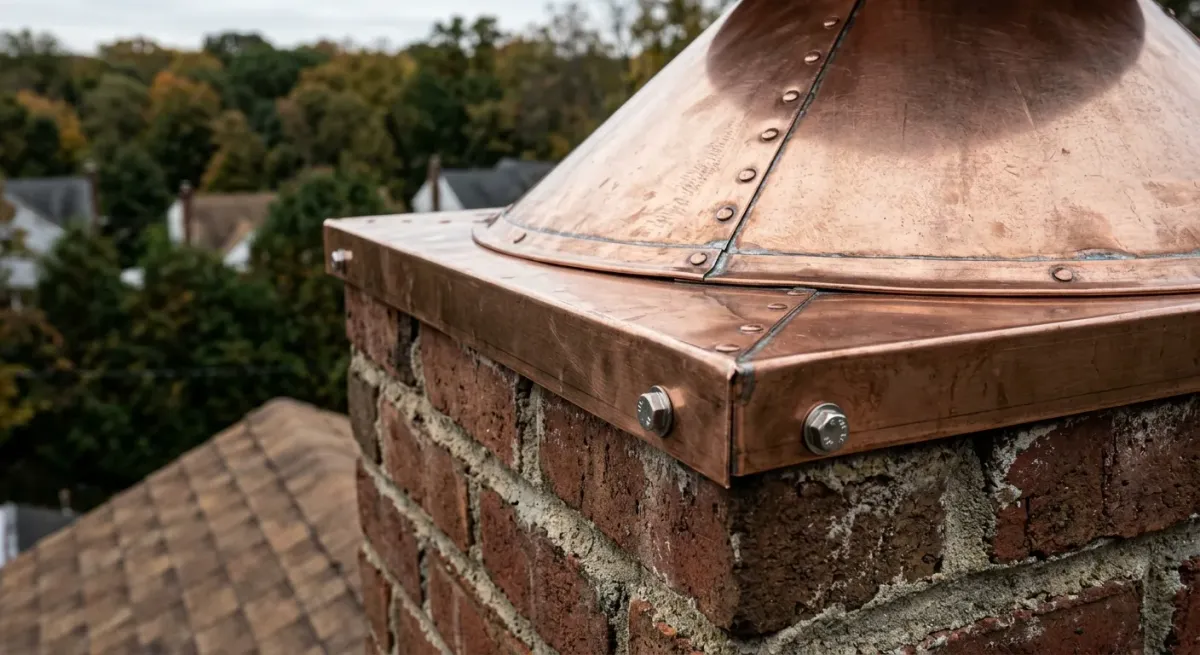
Spalling brick, crumbling mortar, and deteriorated clay liners are standard findings in River Edge's pre-1960 homes. Left alone, a failing liner lets combustion gases, including carbon monoxide, migrate into living space. We handle chimney repair before that becomes an emergency.
Rain Cap Installation
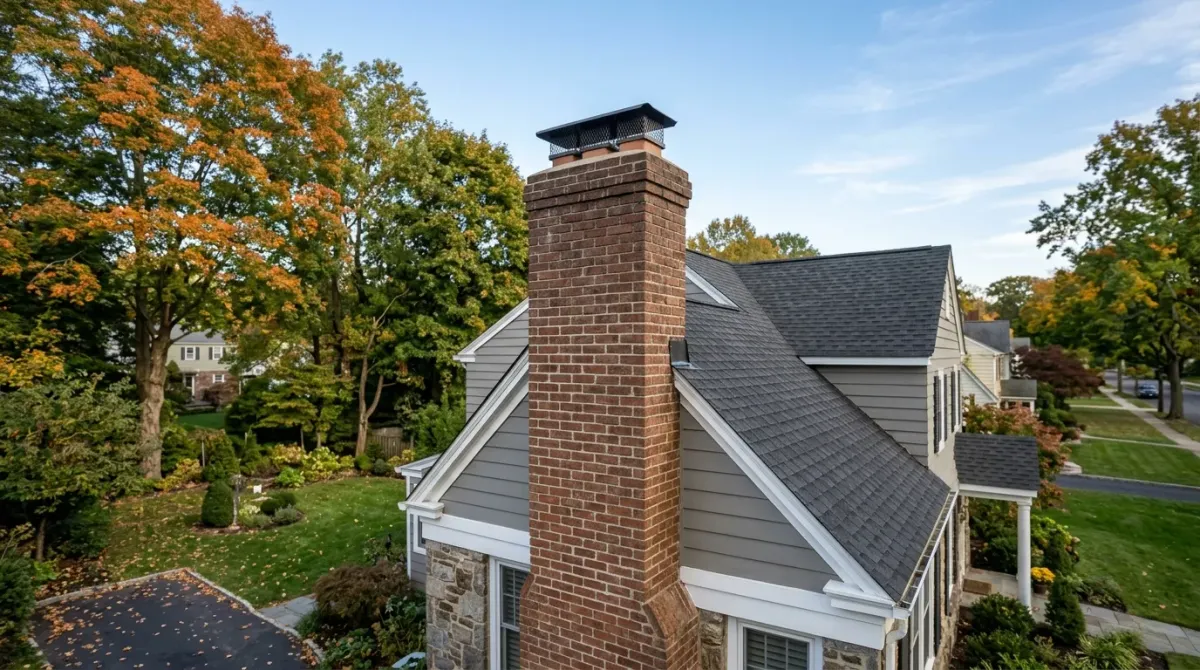
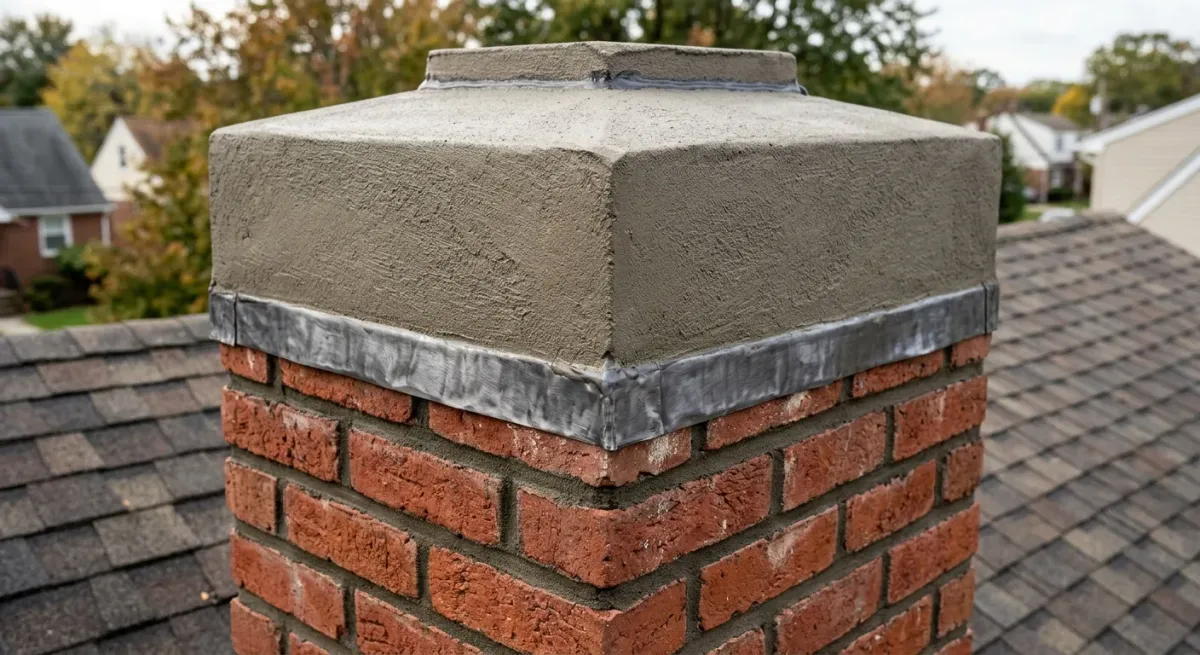
River Edge's nor'easters and summer thunderstorms drive rain directly down open flues. A rain cap stops water intrusion, blocks animals from nesting in the flue, and reduces the downdraft problems that plague unprotected chimneys during high-wind events along the Hackensack River corridor.
Downdraft Repair
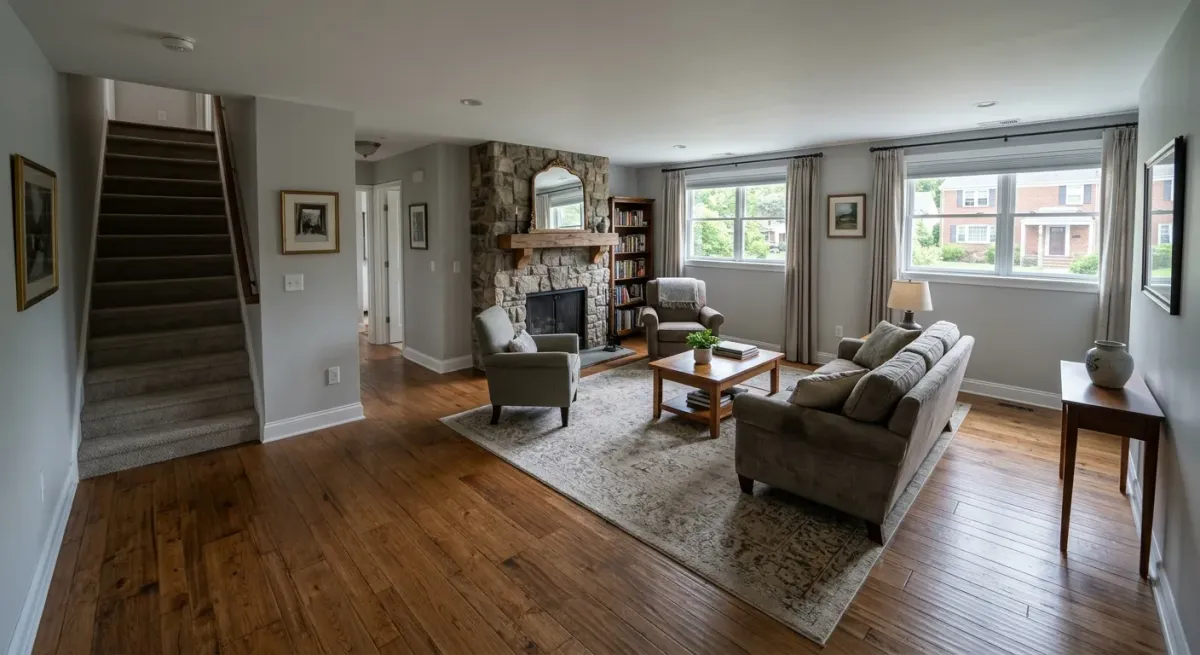
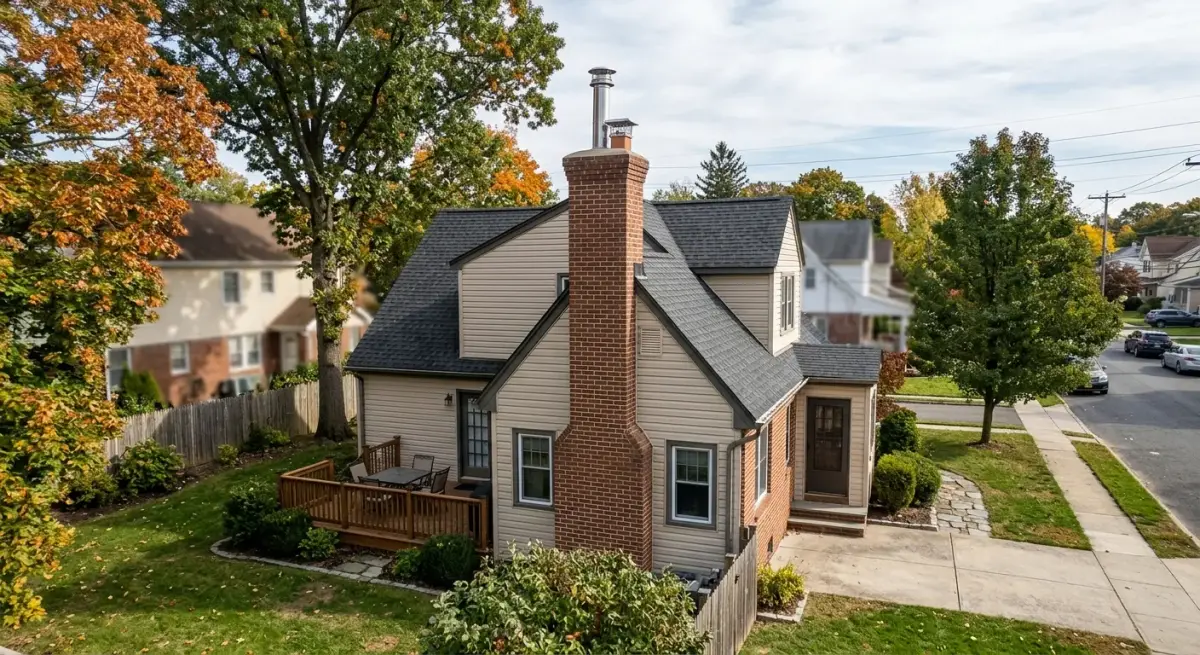
Smoke pushing back into the house during windstorms isn't always a draft problem, sometimes it's a sizing issue, a blocked flue, or a pressure differential from a tightly sealed modern retrofit. We diagnose downdraft before recommending a fix, because a cap and a fan solve different problems.
Smoke Chamber Cleaning
The smoke chamber sits above the firebox and below the flue. Glazed creosote collects here even when the rest of the chimney looks clean. Most sweeps skip it. We don't, because a fire that starts in the smoke chamber is directly above your living space.
Local Specifics
Why River Edge Homes Need Annual Service
River Edge's combination of older masonry construction and a humid riverfront climate makes annual chimney service genuinely necessary, not a sales pitch. Homes built in the 1940s and 1950s typically used clay tile liners. After seven decades, those liners develop cracks and gaps that compromise both draft performance and fire containment.
Hard water from Veolia Water New Jersey Hackensack, with hardness levels running above 150 ppm, contributes to mineral scale in systems that use water for humidification or where condensation is a factor. Meanwhile, the Hackensack River's tidal influence means the ground-level humidity around many River Edge properties is consistently higher than inland Bergen County neighborhoods, and wet masonry deteriorates faster. A chimney that looked fine in April can surprise you in October.
How We Work
How a Chimney Sweep Appointment Works
Call John Directly
Reach John at (551) 755-0325. No dispatcher, no queue. He'll ask the right questions about your system and schedule a visit that fits your calendar.
Inspection and Assessment
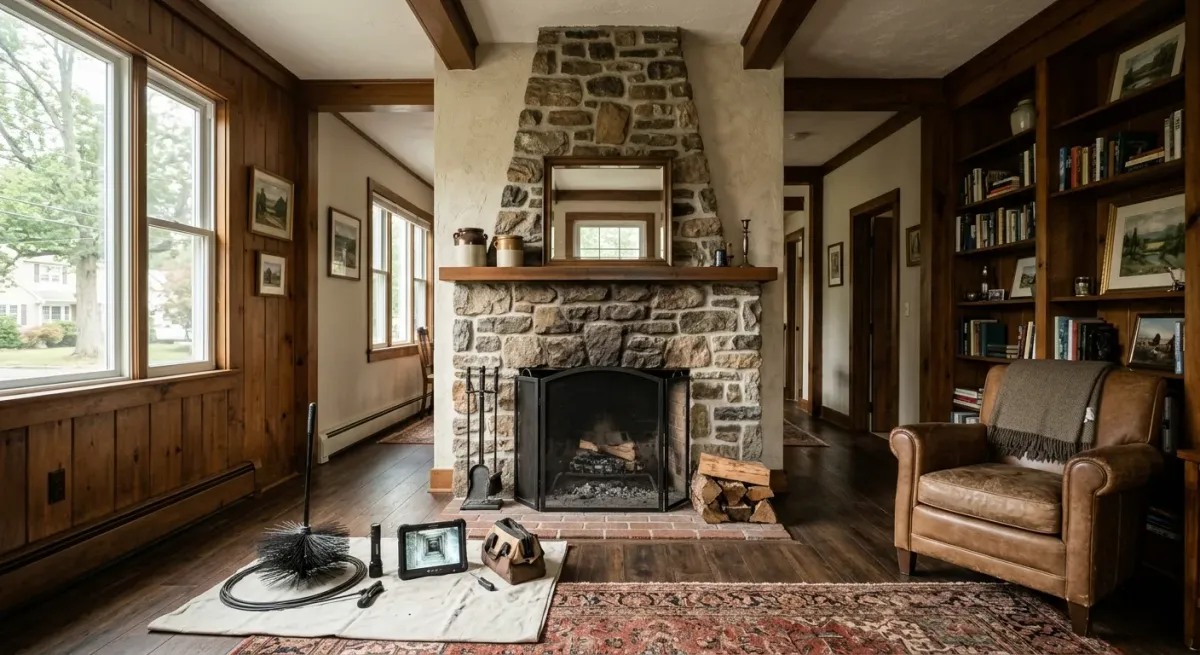
We start with a visual inspection, firebox, smoke chamber, flue, and exterior crown. This is a Level 1 inspection by default. If we see signs of damage or you're buying or selling the home, we'll tell you clearly if Level 2 is warranted.
Cleaning and Report
We clean what needs cleaning, document what we find, and give you a straight assessment of what's in good shape and what isn't. No pressure on repairs, just the facts so you can make an informed decision.
River Edge Permits and Chimney Work
The Borough of River Edge Building Department requires permits before chimney repair and restoration work begins, in accordance with the New Jersey State Uniform Construction Code. There's a 'Chimney Verification' form listed under building forms, which indicates the borough tracks chimney work specifically.
If you're planning anything beyond cleaning and inspection, we'll walk you through what documentation is typically needed. We work in River Edge regularly enough to know what the process looks like. For neighbors in nearby New Milford or Bergenfield, permit requirements follow a similar pattern under Bergen County jurisdictions.
Service area
Chimney Services We Provide in River Edge
Apex Pro Chimney Solution handles the full range of chimney and fireplace work for River Edge homeowners, from routine annual cleaning to chimney fan installation and fireplace insert installation.
50 towns served, 10 listed here
Schedule Your River Edge Chimney Sweep
Don't wait until the first cold night to find out your chimney has a problem.
Frequently asked questions
Answers to your most common questions
How often should a River Edge homeowner have their chimney swept?
Once a year is the standard, and for River Edge homes, it's not an arbitrary number. The October-through-April heating season is long, and a chimney that gets regular use through a Bergen County winter accumulates creosote quickly. Older homes with original clay-lined flues are especially worth keeping on an annual schedule because any cracks in the liner change how heat and gases move through the system. If you burned a lot of wood last season and haven't had a sweep yet, that's the first appointment to make.
What's the difference between a Level 1, Level 2, and Level 3 chimney inspection in River Edge?
Level 1 covers all accessible parts of the chimney during a routine cleaning visit. Level 2 is required when you're buying or selling a River Edge home, after a chimney fire, or when you've made changes to the appliance or fuel type, it includes video scanning of the flue. Level 3 involves opening up walls or the chimney structure when hidden damage is suspected. If you're closing on a property in River Edge, ask specifically for a Level 2. Most routine annual visits are Level 1.
Do I need a permit for chimney repairs in River Edge?
For work beyond cleaning and inspection, yes. The Borough of River Edge Building Department requires permits before chimney repair or restoration work starts, consistent with the New Jersey State Uniform Construction Code. The borough also lists a 'Chimney Verification' form under their building forms, which signals that chimney work is tracked specifically. If you're planning relining, masonry repair, or fireplace installation in River Edge, permits are part of the process. We can tell you what to expect when you call.
What happens if I don't sweep my chimney before the first fire of the heating season?
A few things, none of them good. Creosote that accumulated last season dries and hardens over the summer. When you light the first fire, that creosote can ignite. A chimney fire burns at over 2,000 degrees and can breach a cracked clay liner. Beyond fire risk, an uninspected flue can have animal nesting, mortar debris, or a failed liner gap that routes carbon monoxide into the house. River Edge's older colonial and ranch homes aren't airtight enough to prevent that from becoming a real problem.
What causes creosote buildup, and why is it worse in some River Edge homes than others?
Creosote forms when wood smoke cools before it exits the flue, incomplete combustion deposits tar on the liner walls. River Edge homes with shorter or narrower original flues, or those that have added modern weatherproofing that slows draft, tend to accumulate creosote faster. Burning unseasoned or wet wood makes it worse. Clay-lined chimneys common in River Edge's mid-century housing stock also retain heat differently than stainless steel or poured liners, which affects how quickly deposits advance from stage one to the harder-to-remove stages.
Can I sweep my own chimney in River Edge, or does it require a professional?
You can buy brushes and attempt it, but a DIY sweep in River Edge's older homes comes with real blind spots. You won't see liner cracks, failed mortar joints in the smoke chamber, or deteriorating flashing from inside the firebox. A professional sweep includes at minimum a Level 1 inspection alongside the cleaning. That visual check is what catches the problems a brush can't find. For a home built in the 1950s with a clay liner, skipping the professional inspection is where most chimney emergencies start.
Does River Edge's location near the Hackensack River affect chimney performance?
It does. The Hackensack River runs along the western edge of the borough and creates a local humidity pattern that affects masonry chimneys more than you'd expect. Persistent moisture in the masonry accelerates freeze-thaw damage to mortar joints and brick faces, and it promotes efflorescence.
The white staining that signals water is moving through the masonry. Water intrusion also degrades clay liners from the outside in. A rain cap and properly sealed crown are the two most practical defenses for River Edge properties close to the river.
Related
Next step
Tell us about the job
Your name, your number and what needs doing. A person from Apex Pro Chimney Solution gets back to you.
- Send the detailsYour name, your number and what needs doing.
- John gets back to youA person, not a call center.
- On-site assessmentThe chimney is checked before any work starts.
Request an estimate
No obligation