
Hasbrouck Heights Local
Chimney Sweep in Clifton, NJ
John Daraio handles Clifton chimneys directly, no dispatchers, no subcontractors.
A Chimney Company You Can Trust
- Owner-operatedJohn Daraio
- 7Chimneyservices
- 50Townson the route
- Hasbrouck HeightsNJ · home base
Serving Clifton
Clifton Chimney Sweep and Cleaning Services
Apex Pro Chimney Solution provides professional chimney cleaning and sweeping for homeowners in Clifton, NJ, and when you call (551) 755-0325, you reach John Daraio directly. Most chimneys in Clifton haven't been cleaned in years, not because homeowners don't care, but because finding a local pro who actually shows up is harder than it should be. If you're burning wood this season and you can't remember the last time your flue was swept, that's the one concrete reason to call now: creosote doesn't wait for a convenient time to ignite.
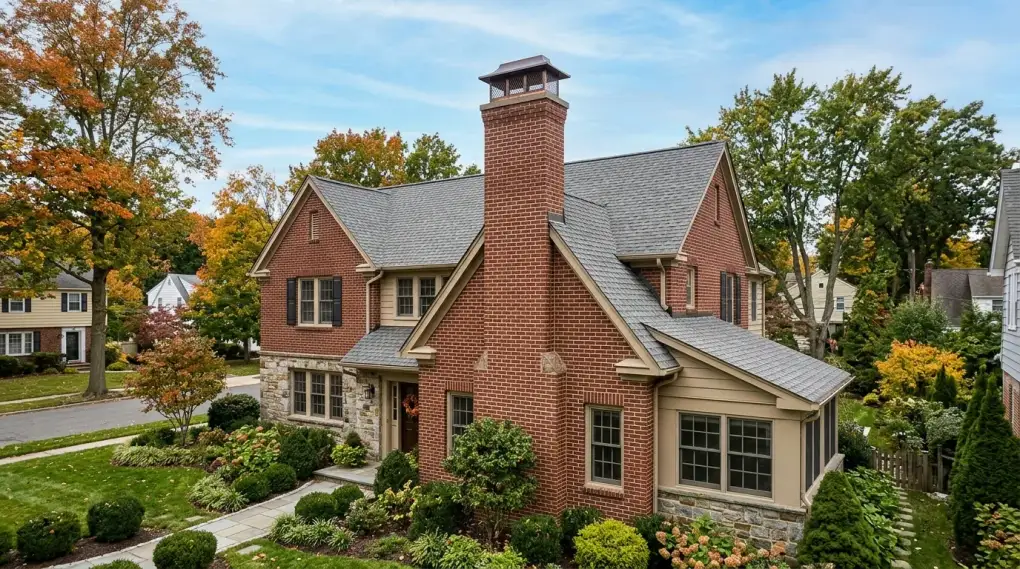
Clifton's housing stock tells the whole story. A significant portion of the city's homes were built before 1950, neighborhoods like Lakeview, Athenia, Botany Village, and Richfield are full of masonry chimneys that have been in service for 70 or 80 years. North Jersey's frost line sits at 36 inches, and every freeze-thaw cycle puts pressure on brick mortar and flue liner joints.
A chimney inspection on a pre-1950 Clifton home is rarely a formality. It's where we find the cracks, spalling, and creosote buildup that the previous owners never dealt with. We serve Clifton out of Hasbrouck Heights, which puts us close enough to respond quickly across Passaic County.
Why It Matters
What Creosote Does to Clifton Chimneys
Every cord of wood you burn deposits something in the flue. Here's what that means.
Creosote is a byproduct of incomplete combustion. Every time you burn wood, smoke rises through the flue, cools against the liner walls, and leaves behind a residue that ranges from dry, flaky ash to a hard, glazed tar. Stage one is easy to brush out. Stage three requires chemical treatment and is the direct cause of most chimney fires. Clifton's winters run from October through April.
That's six months of heating season during which creosote accumulates. A single cord of wood in one season can move a clean flue to a stage-two buildup. The National Fire Protection Association recommends annual sweeping for any actively used fireplace or wood stove. Honestly, if you're burning more than a half-cord a season, once a year is the minimum, not a suggestion.
Three Levels of Chimney Inspection: Which One Do You Need?
Not every inspection is the same, and the differences matter for Clifton homeowners.
Level 1 Inspection
Covers accessible areas of the firebox, damper, crown, and flue. Right for a chimney with a consistent maintenance history and no appliance changes.
Level 2 Inspection
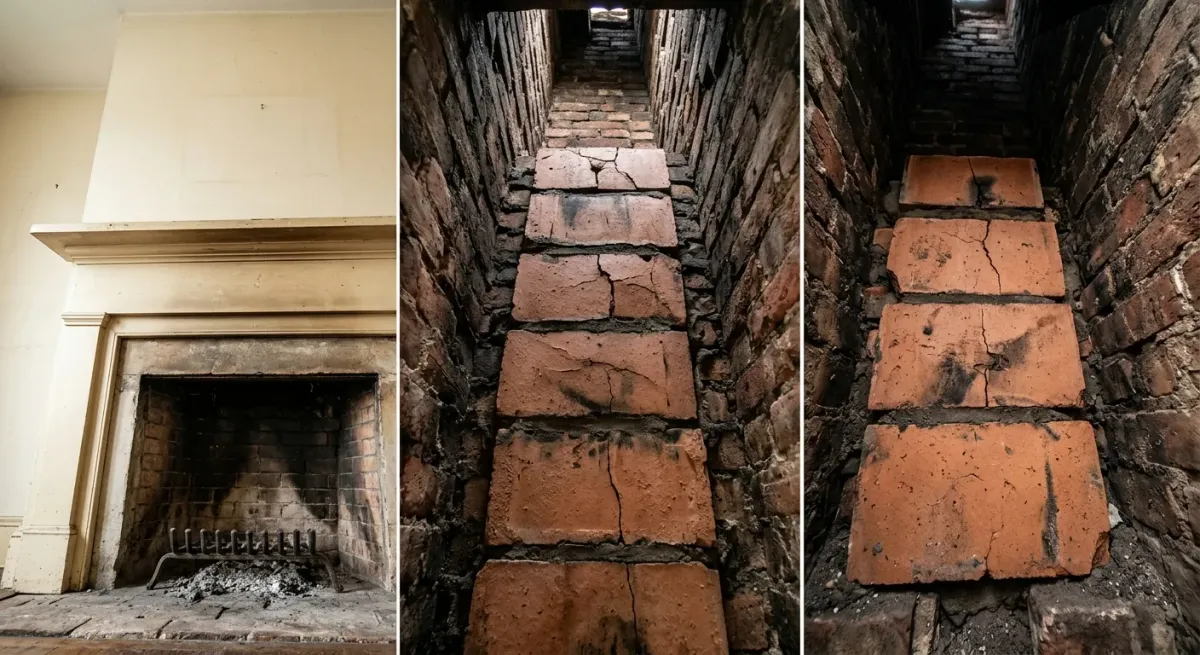
Required under NJ code when a Clifton property sells or transfers. Includes interior video scanning of the flue and covers areas a Level 1 cannot reach.
Level 3 Inspection
Reserved for suspected serious structural damage. Involves removing portions of the chimney to access concealed areas. Rare, but sometimes the only way to know what's there.
The Process
How a Chimney Sweep Works in Your Clifton Home
Inspect First
We assess the firebox, damper, and accessible flue before touching anything, so we know what the chimney needs, not just what it looks like on the surface.
Sweep and Vacuum
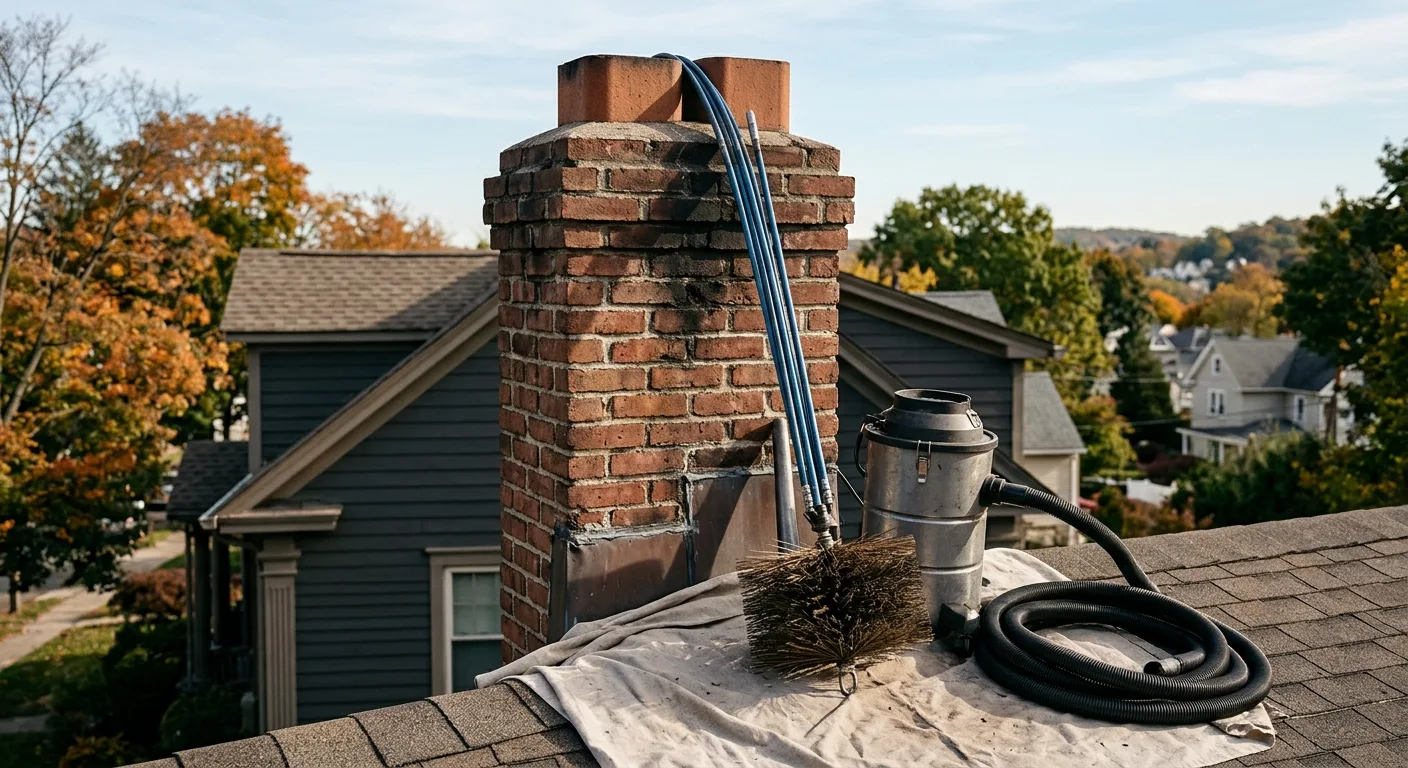
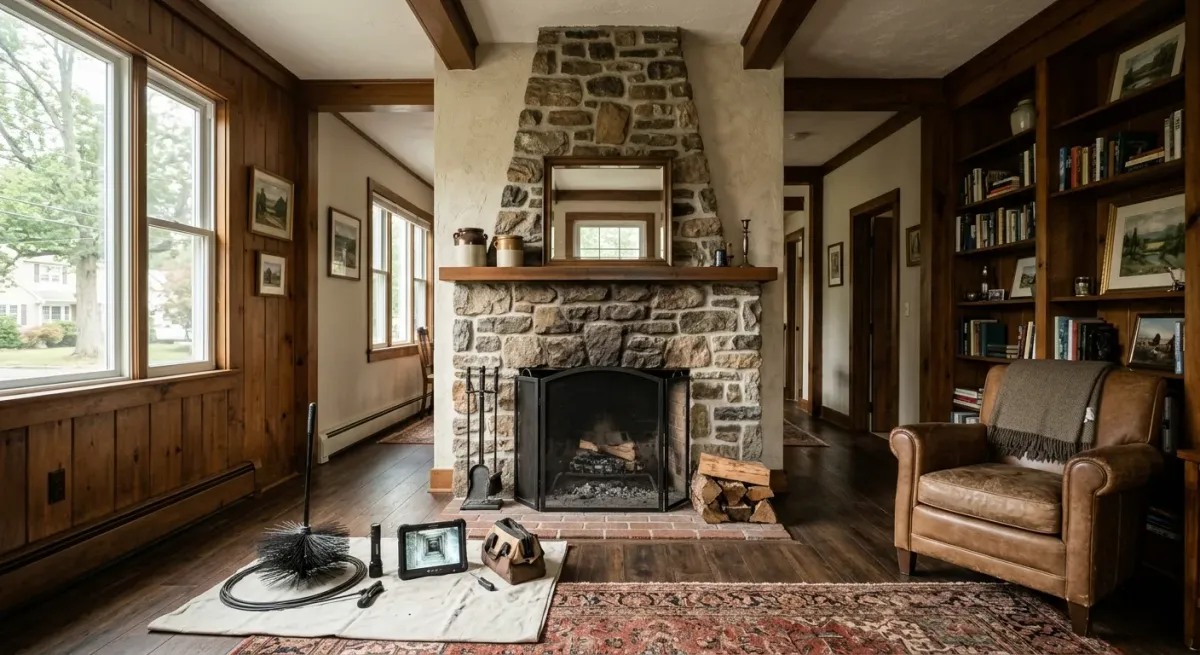
Rotary brushes clear creosote from the liner walls. A commercial HEPA vacuum captures everything before it reaches your living space, your floors stay clean.
Post-Clean Review
After the sweep, we check the damper, smoke shelf, firebox, and crown. If we find something worth addressing, we show you and explain what it means.
Clifton's Older Chimneys and What North Jersey Winters Do to Them
A home built in 1945 in Athenia or Richfield has a chimney that has cycled through roughly 80 winters. North Jersey's frost depth is 36 inches, which means the ground around the chimney foundation freezes deep every year. Water infiltrates mortar joints, freezes, expands, and forces the mortar apart, a process that compounds year over year. Spalling brick, eroded crowns, and cracked flue tiles are the normal end result of that cycle on a chimney that hasn't been repointed or relined.
Add Clifton's flooding history. The city has had significant water events that send moisture into basements and up through structural masonry, and you've got conditions that accelerate deterioration faster than the calendar suggests. A chimney that looks fine from the street may have liner damage that's letting carbon monoxide seep into the living space. That's not a sales pitch. It's why we check before we certify anything. If chimney repair is needed, we'll say so plainly.
Common Problems We Find in Clifton Chimneys
Cracked Flue Tiles
Thermal cycling fractures clay liner tiles over time. A cracked tile lets combustion gases escape into the wall cavity. A carbon monoxide risk that has no visible warning sign.
Eroded Mortar Joints
Freeze-thaw cycles eat mortar faster than most homeowners expect. Repointing stops the damage before it becomes a structural issue, and it's far cheaper than rebuilding a chimney stack.
Downdraft Problems
Smoke coming back into the house isn't always a dirty flue. Negative pressure, a missing cap, or an obstructed flue opening can all cause downdraft issues that require a different fix.
Missing or Damaged Rain Caps
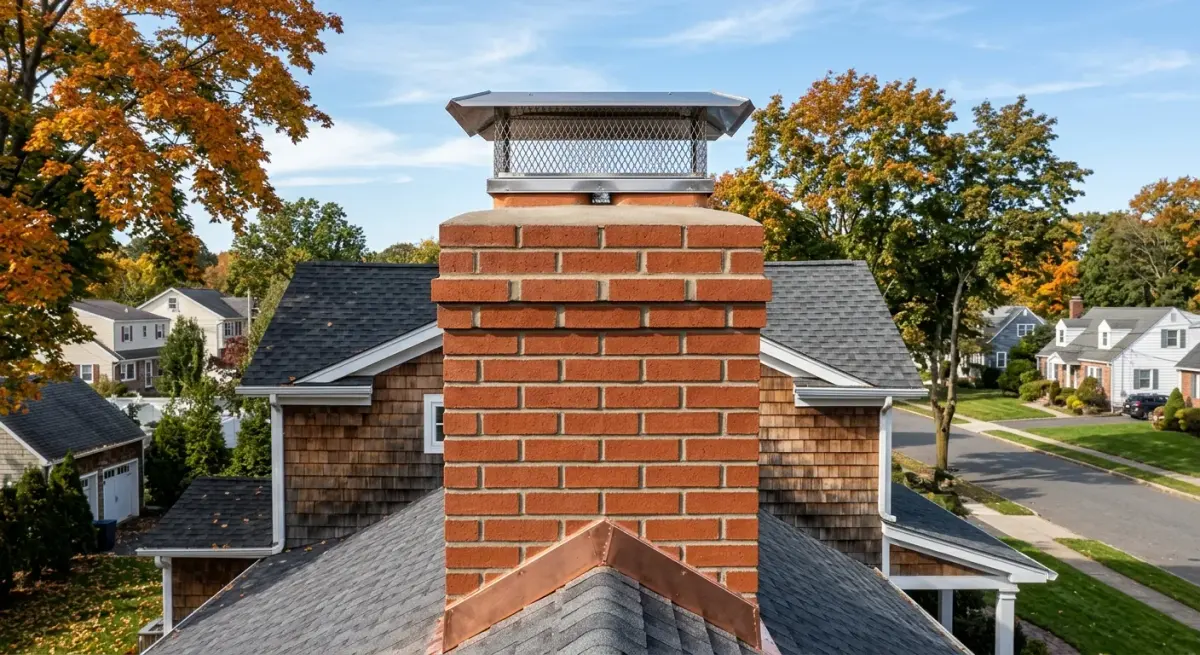
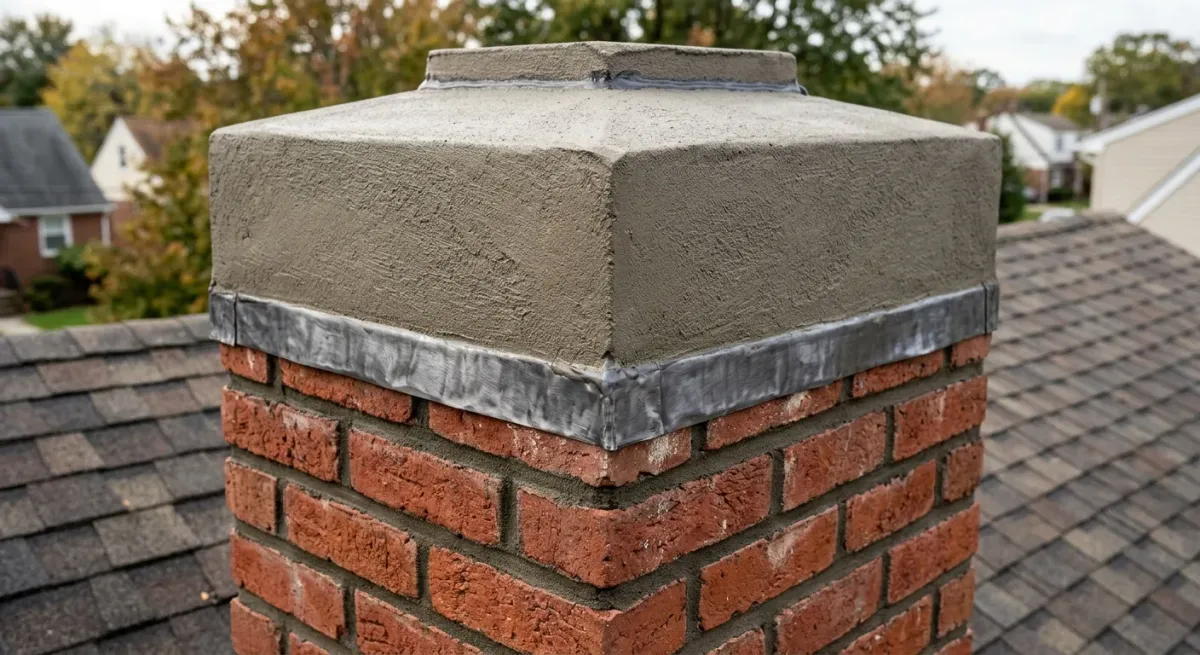
Clifton gets significant precipitation. A chimney without a proper cap lets water, animals, and debris straight into the flue, all of which create bigger problems than the cap costs to install.
Start here
Schedule Your Clifton Chimney Sweep with John
Call (551) 755-0325 to reach John directly.
Call or text(551) 755-0325Or send it in writing
Three fields, thirty seconds
Service area
Clifton and Surrounding Areas We Cover
Apex Pro Chimney Solution serves Clifton and the surrounding communities throughout Passaic County and Bergen County.
Home base
Hasbrouck Heights, NJ
50 towns served, 12 shown on this map
Get a Straight Answer About Your Clifton Chimney
Frequently asked questions
Answers to your most common questions
How often should I have my chimney swept in Clifton, NJ?
For an actively used wood-burning fireplace in Clifton, annual sweeping is the standard recommendation. If you're burning more than half a cord per season, you're building creosote faster than a once-a-year schedule assumes. Clifton's heating season runs roughly October through April, scheduling a sweep in September, before the first fire, means you start the season with a clean flue. Gas fireplaces need annual inspection even if sweeping is less critical, since liner integrity still matters for safe venting.
What are the signs my Clifton chimney needs sweeping or repair?
Smoke entering the room instead of drawing up the flue is the most obvious sign. A strong, acrid odor from the fireplace, especially in summer, usually means glazed creosote sitting in the flue. Black staining around the firebox opening, a damper that won't seal properly, or visible white efflorescence on the exterior brick all point to moisture problems. In Clifton's older neighborhoods like Lakeview and Athenia, crumbling mortar on the exterior stack is common in homes that have gone several years without maintenance.
Is a chimney inspection required when buying or selling a home in Clifton?
A Level 2 chimney inspection is required under standard practice when a property changes hands in New Jersey, including Clifton. It's more thorough than a routine annual check, it includes video scanning of the flue interior and covers areas that a Level 1 inspection doesn't reach. If you're buying a pre-1950 home in Clifton's older neighborhoods, that inspection frequently uncovers cracked liner tiles or deteriorated mortar that the seller wasn't aware of. It's better to know before closing than after.
Do I need a permit for chimney work in Clifton?
For a chimney rebuild or a new liner installation, anything other than a liquid-applied lining, Clifton requires a construction permit and inspection. The Clifton Construction Department handles these permits and can be reached at (973) 470-5809 if you need to confirm what your specific project requires before work starts. Routine sweeping and standard inspections don't require a permit, but structural repairs and relining do. We'll tell you upfront whether the work we recommend will need one.
Why does it matter that Clifton homes are mostly pre-1950 construction?
A chimney built in the 1940s or 1950s was designed around different heating appliances and fuel types than what most homeowners use today. The clay tile liners common in that era are durable, but 70-plus years of freeze-thaw cycles in North Jersey, where the frost line hits 36 inches, creates micro-fractures that accumulate over time.
Those cracks let combustion gases escape into wall cavities before they vent outside. Older construction also means original mortar joints that may never have been repointed, which is a water infiltration problem waiting to happen.
What time of year is best to schedule a chimney sweep in Clifton?
Late summer or early fall, August through October, is the practical window. Scheduling before the heating season starts means you're not calling during the first cold snap when everyone else is trying to book at the same time. It also means if we find something that needs repair, there's time to address it before you need the fireplace. Spring is the second-best option: after a full heating season, you can see exactly how much creosote accumulated and address any moisture damage from winter before it compounds over summer.
Is sweeping my own chimney a real option, or should I call a professional?
You can buy brushes and rods at a hardware store, but sweeping your own chimney means working blind. You won't see what's in the flue, you won't catch a cracked liner, and you won't know if the creosote you're brushing loose is stage-one or stage-three.
In Clifton's older housing stock, DIY sweeping misses the structural checks that matter most. A professional sweep takes about an hour and includes an inspection of the components that actually determine whether the chimney is safe to use. The sweep itself is the easy part; knowing what to look for is the job.
Related
Next step
Tell us about the job
Your name, your number and what needs doing. A person from Apex Pro Chimney Solution gets back to you.
- Send the detailsYour name, your number and what needs doing.
- John gets back to youA person, not a call center.
- On-site assessmentThe chimney is checked before any work starts.
Request an estimate
No obligation