Hasbrouck Heights Local
Chimney Sweep in Bloomfield, NJ
John Daraio handles Bloomfield chimneys directly, no dispatch, no subcontractors.
A Chimney Company You Can Trust
- Owner-operatedJohn Daraio
- 7Chimneyservices
- 50Townson the route
- Hasbrouck HeightsNJ · home base
Serving Bloomfield
Chimney Sweep Services Bloomfield Homeowners Need
Apex Pro Chimney Solution provides chimney sweep and cleaning service to Bloomfield, NJ homeowners. Call John directly at (551) 755-0325 and he's the one who picks up, not a dispatcher. Most of Bloomfield's housing stock predates 1950, which means aging masonry, mortar joints that have seen decades of freeze-thaw cycles, and flue liners that haven't been looked at in years. That's the kind of chimney that throws up surprises during a sweep, and the kind where it genuinely matters that the person doing the work knows what they're looking at.
Bloomfield sits close enough to the Second River and Third River floodplain areas that moisture intrusion is a real and recurring problem for older chimneys in the township. Water gets in through deteriorated crowns, failed flashing, and missing rain caps, and it accelerates masonry damage faster than almost anything else.
The Bloomfield Township Construction Department requires permits for alterations to existing chimneys, and New Jersey follows the 2024 International Residential Code for chimney and liner work. If you're replacing a fuel-fired appliance, a UCC F370 chimney verification form is expected, signed by whoever performed the flue check. Apex Pro can walk through what that requires for your specific setup.
Our services
What a Chimney Sweep Covers in Bloomfield
A sweep isn't just brushing soot. Here's the full scope.
Chimney Cleaning
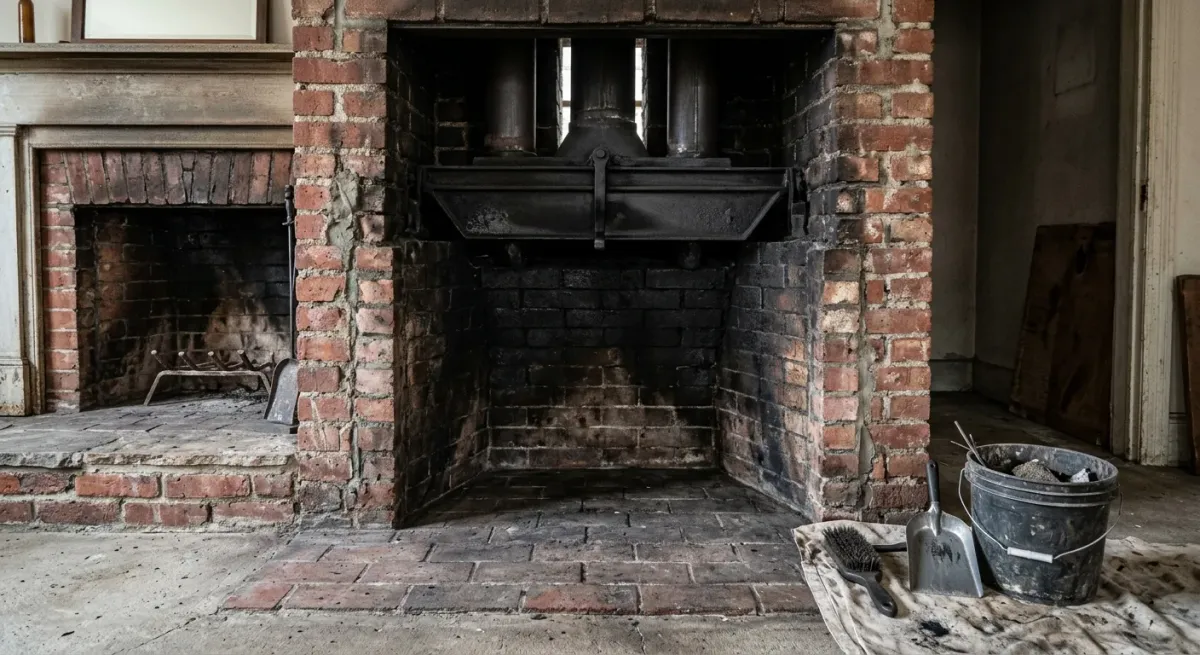
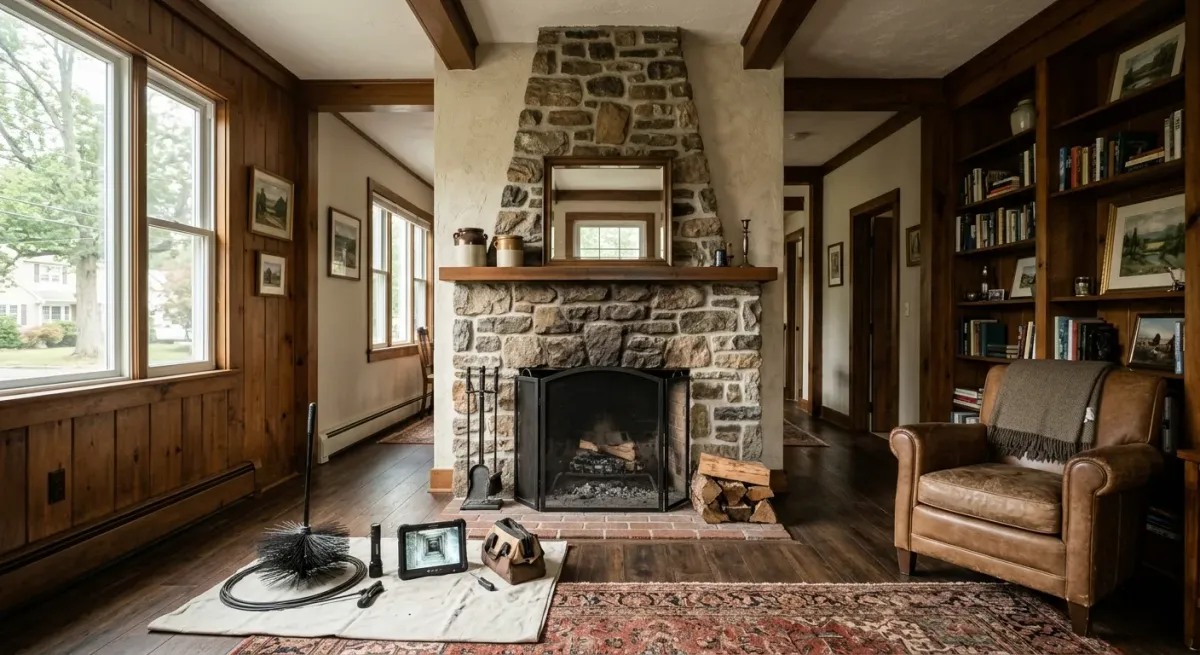
Creosote and soot removal from the firebox, smoke chamber, and flue. Drop cloths protect the room; an industrial vacuum handles the mess. Most cleaning visits take under two hours on a standard single-flue system.
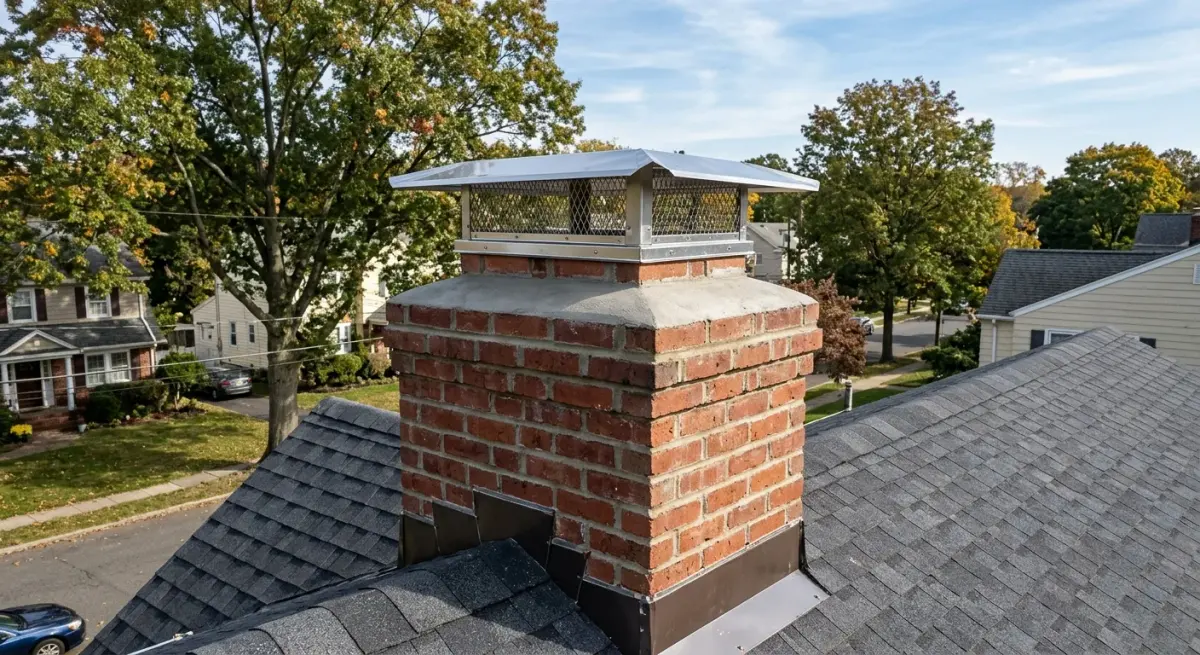
Chimney Flue Cleaning
The flue liner is where glazed creosote accumulates and where chimney fires start. Flue-specific cleaning goes beyond a basic sweep, it addresses the liner condition and buildup levels that a surface cleaning won't reach.
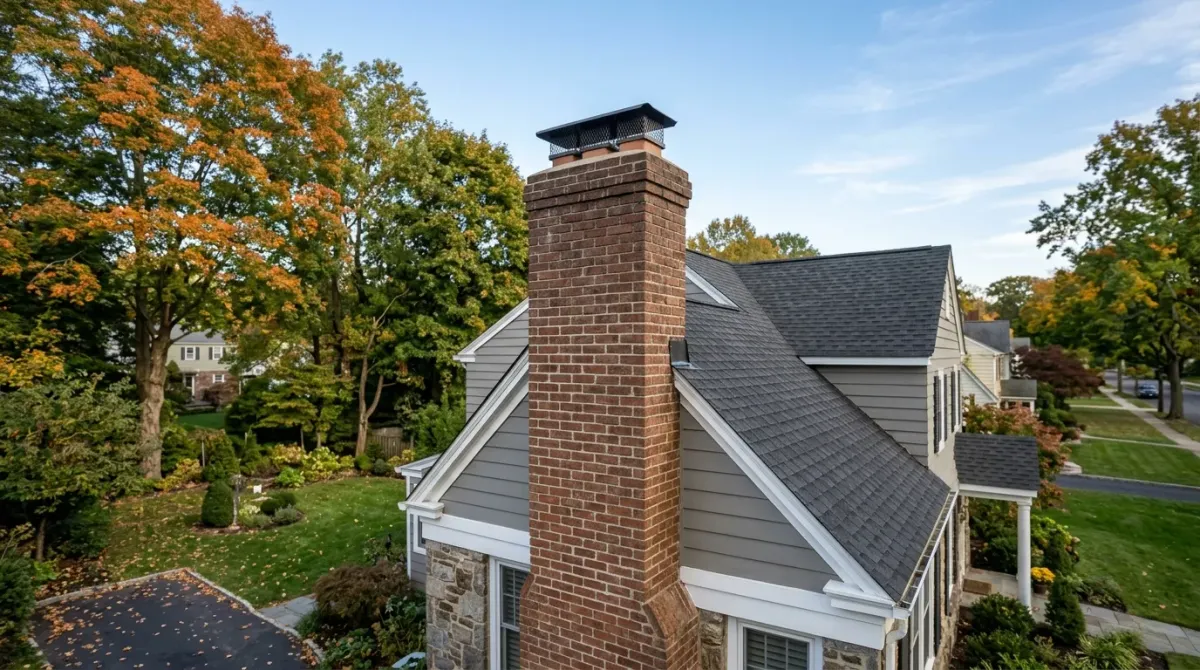
Smoke Chamber Cleaning
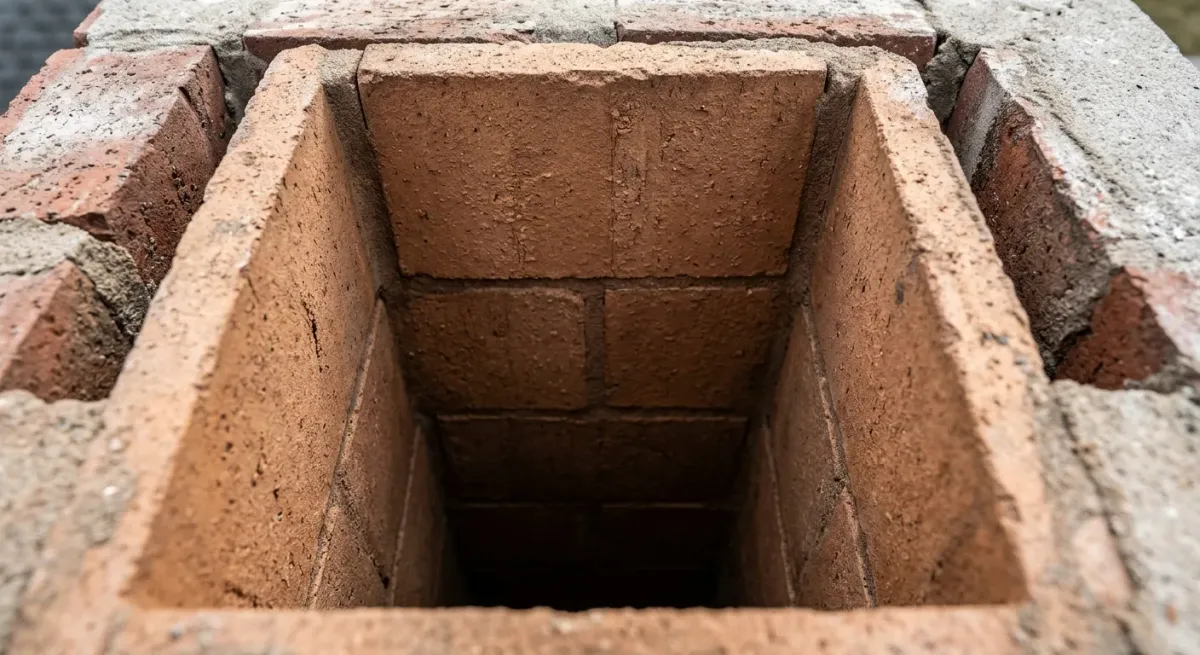
The smoke chamber is the funnel-shaped cavity above the firebox. It collects glazed creosote at a rate most homeowners don't expect, and it's not accessible without the right equipment. This step gets skipped by sweep-only operators.
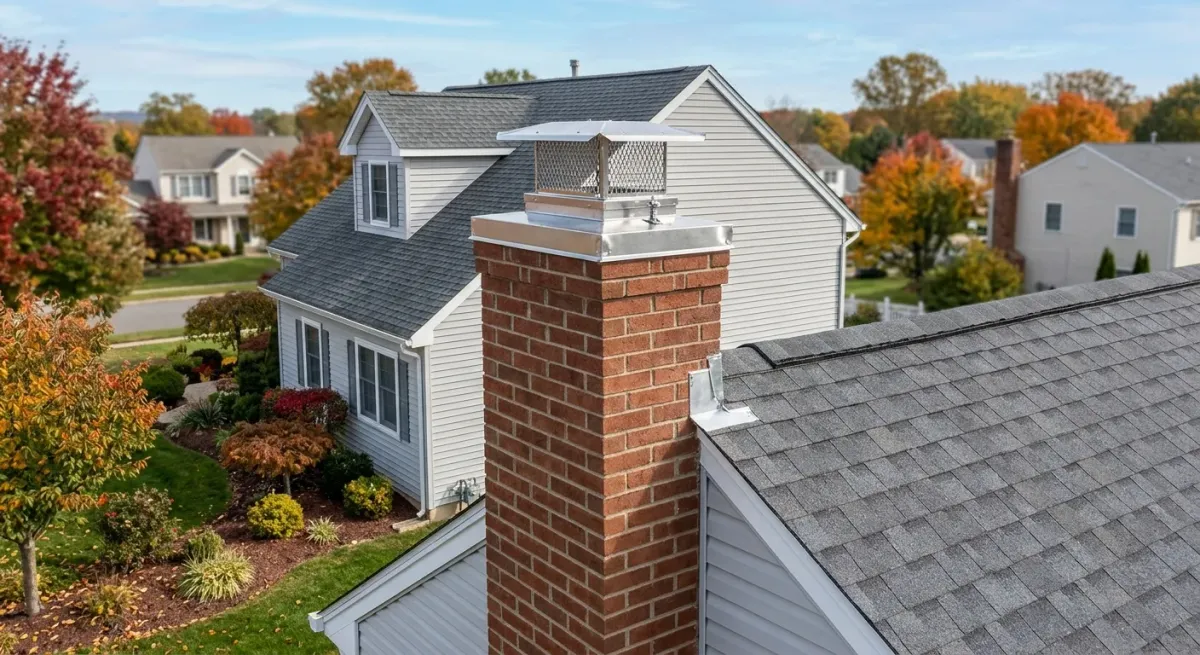
Chimney Inspection
A chimney inspection documents the condition of every accessible component. Level 2 inspections, recommended at home sales, fuel switches, or after any event that could have stressed the structure, include camera assessment of the flue interior.
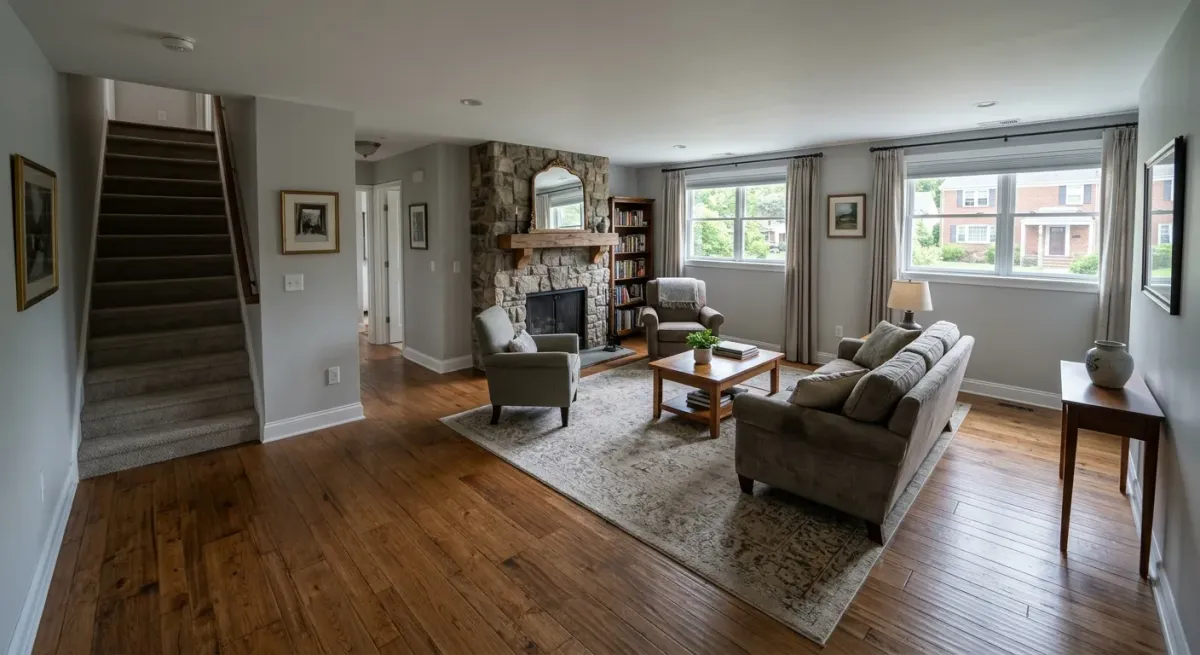
Rain Cap Installation
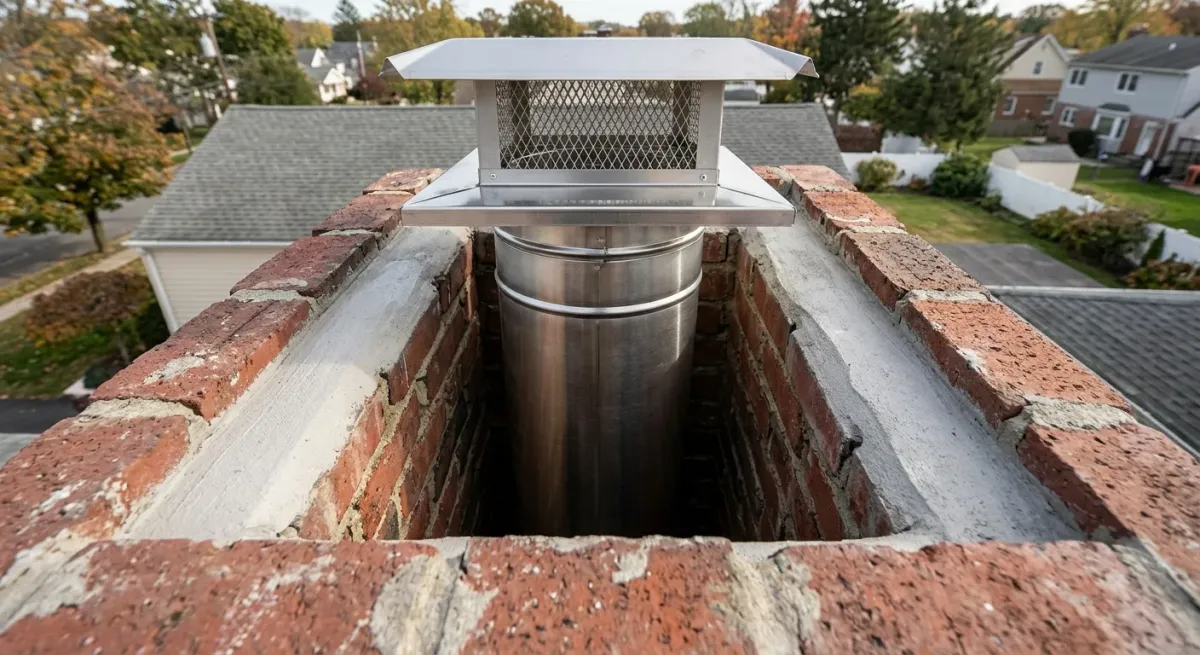
No cap means open access for rain, birds, squirrels, and debris. A rain cap is the single cheapest fix with the highest return on investment for Bloomfield chimneys dealing with moisture intrusion from the area's wet seasons.
Chimney Repair
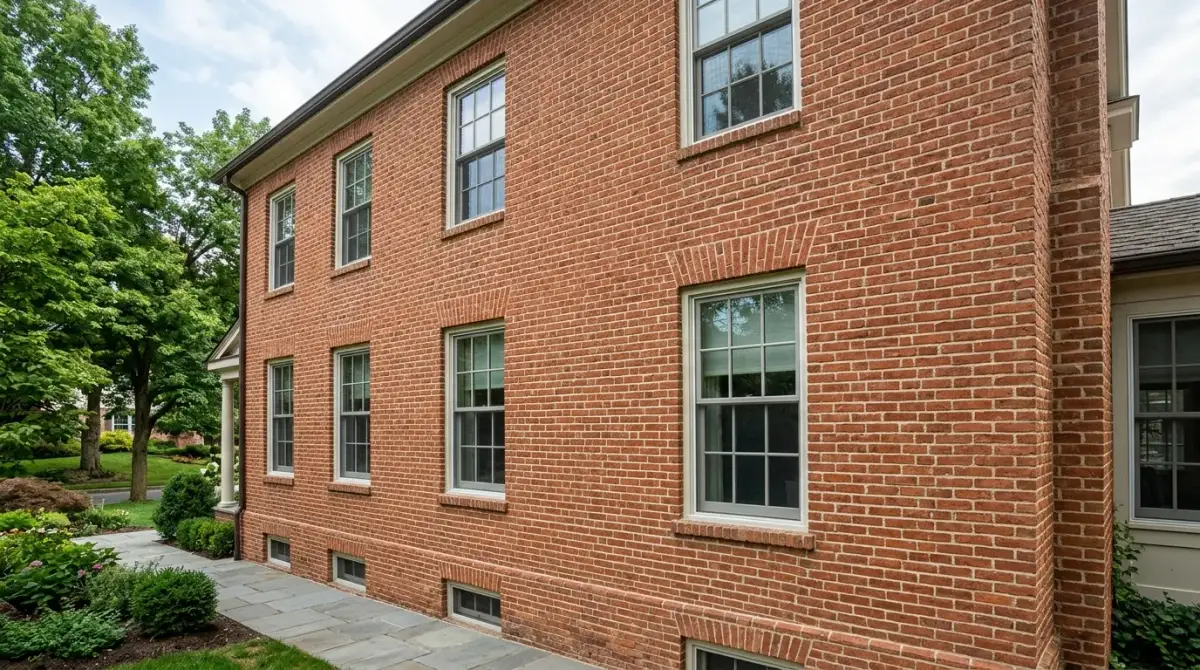
Spalling brick, crumbling mortar, cracked crowns, Bloomfield's pre-1950 masonry develops all of it eventually. Chimney repair stops the deterioration before water turns a surface problem into a structural one.
Local Context
Bloomfield Chimneys and What Actually Fails
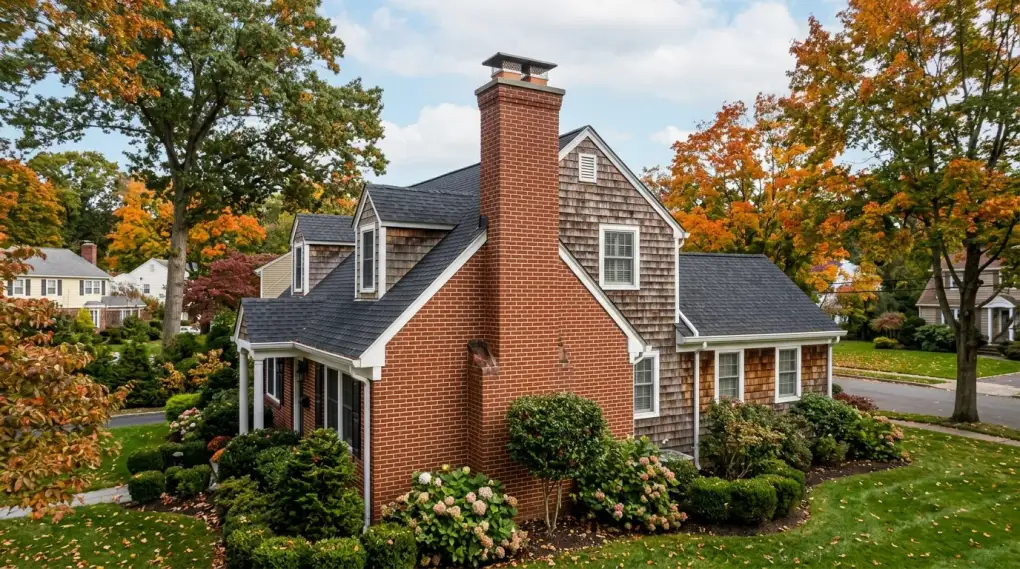
The median construction year for Bloomfield homes sits around 1950, and a large share of the housing stock is older than that. Brick chimneys built in that era used lime-based mortar that weathers differently than modern Portland cement mixes. By now, most of those joints have experienced enough freeze-thaw cycling to be visibly deteriorated. Some to the point where water is entering the flue system rather than being shed by it.
Bloomfield also has a significant stock of multi-unit residential buildings with shared chimney systems. Shared flues complicate cleaning and inspection in ways a single-family setup doesn't: you need to know which flue serves which unit, confirm there's no cross-connection, and check that each liner is intact. It's not harder work, but it requires a different process. Call (551) 755-0325 and John can tell you upfront what a shared-chimney inspection involves for your building.
Creosote
Why Creosote Is the Fire Risk, Not the Stain
Creosote is the byproduct of incomplete combustion, it forms every time wood burns, and it sticks to flue walls in layers that harden and concentrate over time. First-degree creosote is flaky and brushes off during a standard sweep. Second-degree is tar-like and takes more work. Third-degree is glazed and hardened, and it's the one that ignites. A chimney fire burning through third-degree creosote can reach over 2,000 degrees Fahrenheit inside the flue, enough to crack a clay liner, breach the mortar, and spread to the structure.
How fast creosote builds depends on what wood you burn, how hot your fires run, and how often you use the fireplace. Wet or unseasoned wood accelerates it faster than anything else. Bloomfield's peak heating season runs October through January; a sweep before that window closes is the standard recommendation. If you haven't had the flue inspected in two or more seasons, the condition of the buildup is genuinely unknown. That's worth a call.
Inspections, Permits, and Bloomfield Code
New Jersey residential chimney work falls under the 2024 International Residential Code as adopted by the state. When a fuel-fired appliance, furnace, boiler, gas insert, wood stove, is replaced or installed in a Bloomfield home, the Bloomfield Township Construction Department expects a completed UCC F370 chimney verification form confirming the flue condition. A Level 2 chimney inspection is the standard that satisfies that requirement. Level 1 is appropriate for a chimney in continuous service with no changes.
Level 2 applies when there's a change of appliance, a change of fuel type, a home sale, or any event, fire, seismic, extended flooding, that could have affected the structure. Level 3 involves opening walls or removing components to access concealed areas and is warranted only when Levels 1 and 2 identify a defect that can't be fully assessed otherwise. If you're selling a home in Bloomfield or swapping out heating equipment, book the Level 2 and get the paperwork handled before it becomes a closing-table problem.
Downdraft, Draft Problems, and Chimney Fans
Downdraft Repair
Smoke pushing back into the room is a draft failure, not a fireplace quirk. Downdraft repair identifies the cause, obstruction, flue sizing, negative pressure in the house, and fixes it at the source.
Chimney Fan Installation
For Bloomfield homes where structural or site conditions create persistent draft problems, a chimney fan provides mechanical draft assist. It's not the right solution for every situation, but when it is, it works.
Stove and Fireplace Cleaning
Wood stoves and fireplace inserts accumulate creosote in different patterns than open masonry fireplaces. The connector pipe, baffle, and firebox all need attention, not just the flue above the appliance.
Schedule a Chimney Sweep in Bloomfield
John Daraio takes the call himself. No office staff, no scheduling queue.
Frequently asked questions
Answers to your most common questions
How often should I have my chimney swept in Bloomfield, NJ?
The National Fire Protection Association recommends at minimum one inspection per year, with cleaning as needed based on use. For Bloomfield homeowners burning wood through the October-January heating season, an annual sweep before peak season is the standard. If you're burning frequently or using unseasoned wood, twice a year is reasonable. Chimneys in older Bloomfield homes that haven't been serviced in multiple seasons may need a Level 2 inspection before a basic sweep tells you much.
What's the difference between a chimney inspection and a chimney cleaning in Bloomfield?
A cleaning removes creosote, soot, and debris from the firebox, smoke chamber, and flue. An inspection assesses the structural and operational condition of the chimney system, liner integrity, masonry condition, clearances, and connections. They're related but not the same service. Many Bloomfield homes, given the age of the housing stock, need both. A Level 2 inspection includes camera assessment of the flue interior, which is the only way to see liner cracks or damage that surface cleaning won't reveal.
Do I need a permit for chimney work in Bloomfield?
The Bloomfield Township Construction Department requires building permits for alterations to existing chimneys. Routine cleaning and inspection typically don't require a permit, but liner replacement, masonry repair, or installation of a new appliance generally do. If you're replacing a gas appliance or wood stove, a UCC F370 chimney verification form is expected, signed by whoever inspected the flue. Call John at (551) 755-0325 and he can walk through what applies to your specific job.
What causes the creosote smell coming from my Bloomfield fireplace?
That odor is volatilized creosote, the tarry compounds in the deposit becoming airborne, usually when humidity rises or when negative air pressure in the house pulls air down the flue. It's most noticeable in summer when the chimney isn't being used and the house is closed up. The fix is cleaning: removing the buildup eliminates the source of the smell. A cap and proper flue sealing help too, since open flues let humid outside air into the system year-round.
Do I need a chimney inspection if I rarely use my Bloomfield fireplace?
Yes. Infrequent use doesn't protect a chimney from physical deterioration. Bloomfield's older masonry chimneys are subject to freeze-thaw damage, moisture intrusion through cracked crowns or missing caps, and animal nesting, none of which requires a single fire to occur. A dormant chimney can accumulate enough blockage from debris or a bird nest to be carbon monoxide risk the first time it's used. An annual inspection on a rarely-used system is fast and inexpensive relative to what it catches.
Can Apex Pro clean a chimney in a Bloomfield multi-unit building with a shared flue?
Yes. Shared chimney systems in Bloomfield's older multi-family buildings require identifying which flue serves which unit, confirming there's no cross-connection between flues, and inspecting each liner separately. It's a different process than a single-family inspection but not an unusual one. Call (551) 755-0325 and describe the building, John can tell you what the scope looks like before you schedule anything.
Related
Next step
Tell us about the job
Your name, your number and what needs doing. A person from Apex Pro Chimney Solution gets back to you.
- Send the detailsYour name, your number and what needs doing.
- John gets back to youA person, not a call center.
- On-site assessmentThe chimney is checked before any work starts.
Request an estimate
No obligation