
Hasbrouck Heights Local
Chimney Sweep in South Hackensack, NJ
John Daraio handles every job directly, from creosote removal to full chimney inspection and repair.
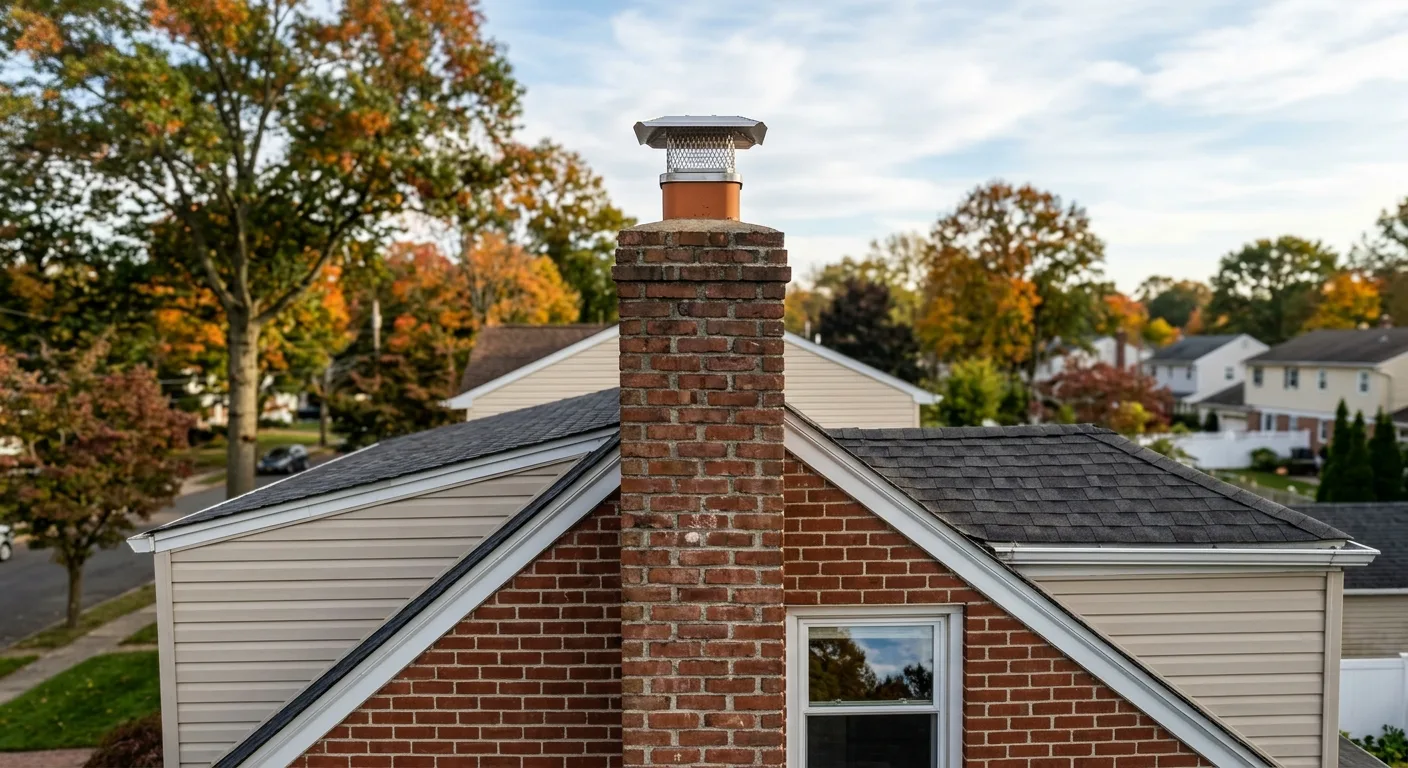
A Chimney Company You Can Trust
- Owner-operatedJohn Daraio
- 7Chimneyservices
- 50Townson the route
- Hasbrouck HeightsNJ · home base
Serving South Hackensack
South Hackensack Chimney Sweep and Cleaning
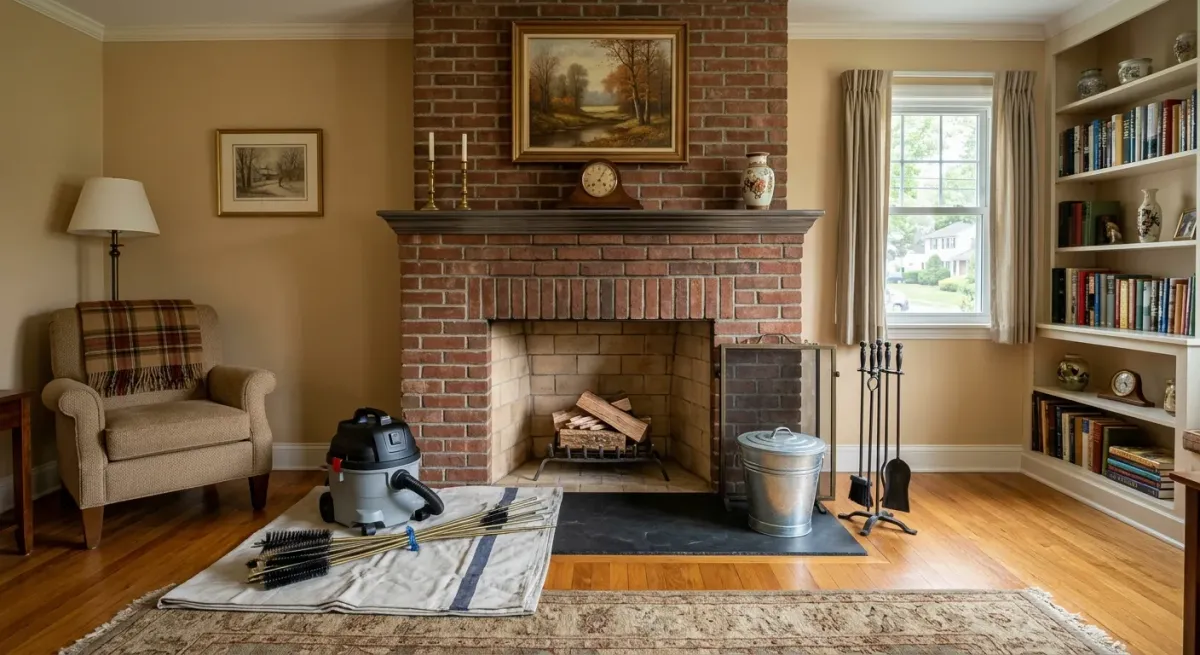
Apex Pro Chimney Solution provides professional chimney sweep services in South Hackensack, NJ, covering everything from routine chimney cleaning to full structural inspection and creosote mitigation. John Daraio, the owner, takes every call personally at (551) 755-0325. No dispatcher, no subcontractor. If you're wondering whether your chimney is safe to use this season, that's the right question to ask, and a direct call gets you a straight answer.
South Hackensack's housing stock skews heavily toward homes built between 1950 and 1970. That era of construction used clay tile flue liners and brick masonry that were built to last, but not forever. After five or six decades of freeze-thaw cycling in Northern New Jersey's climate, where the frost line runs 36 inches deep, mortar joints crack, flue tiles separate, and gaps open between the chimney chase and the house framing.
Nor'easters accelerate that deterioration. The South Hackensack Building Department issues permits for chimney work and requires phase inspections to confirm code conformance, and they provide a UCC F370 Chimney Verification form specifically for chimney projects. We're familiar with that process and work through it routinely.
What Creosote Stages Mean for South Hackensack Homes
Not all creosote is the same, and the cleaning method depends entirely on which stage you have.
Most homeowners have heard that creosote is dangerous. Fewer know that it develops in three distinct stages, each requiring a different response. Stage one is a light, flaky deposit that a standard chimney cleaning removes without difficulty. Stage two is a harder, tar-like coating that calls for rotary cleaning equipment. Stage three is glazed creosote, a dense, shiny layer that has hardened to the point where conventional brushing won't break it down.
Glazed creosote requires chemical treatment before mechanical removal is possible. In South Hackensack, where older fireplaces often ran through decades with inconsistent cleaning, stage two and stage three buildups are common. Burning unseasoned wood makes it worse. We identify the stage during inspection and use the correct method for it, not the cheapest or fastest one.
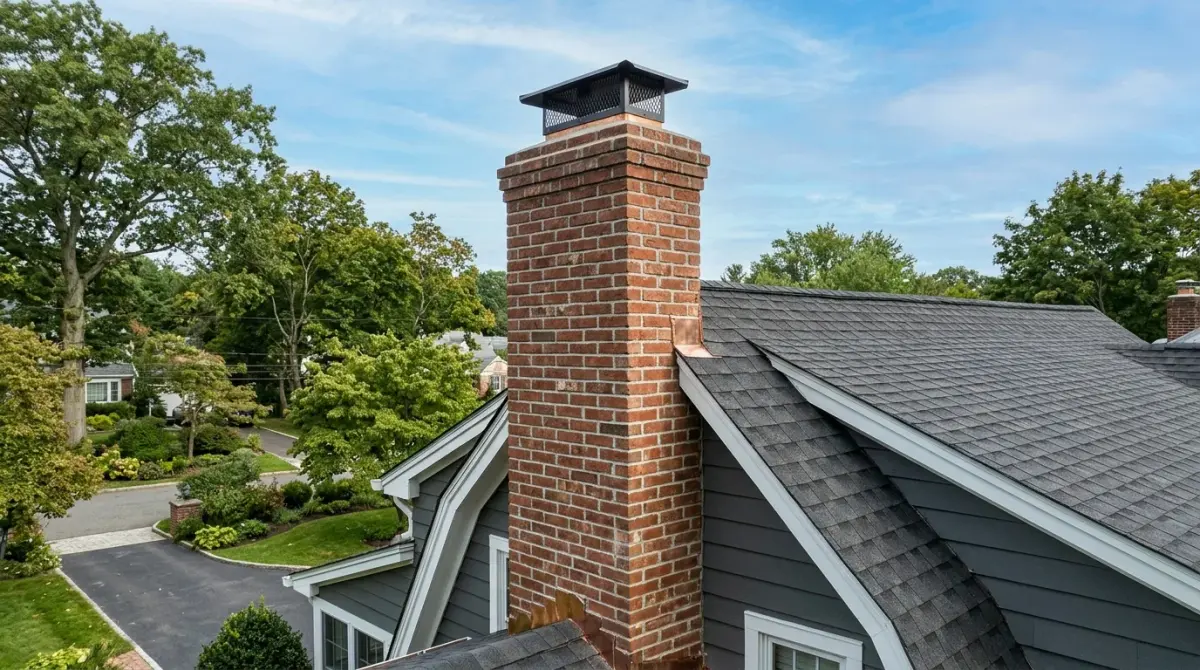
Inspection Levels
Level 1, 2, and 3 Inspections Explained
The level of inspection your chimney needs depends on what's changed since the last time it was examined.
Level 1 Inspection
Visual inspection of accessible chimney surfaces. Appropriate for chimneys in continued use with no changes to appliance, fuel type, or structure.
Level 2 Inspection
Required for real estate transactions, appliance changes, or after any chimney fire. Includes video scan of the flue interior and full exterior assessment.
Level 3 Inspection
Invasive inspection when hidden structural damage is suspected. May require partial disassembly. We won't recommend this unless the evidence calls for it.
Permits and Local Code
South Hackensack Chimney Permits: What You Need to Know
The South Hackensack Building Department requires permits for structural chimney repairs, relining, and new installations. Phase inspections are mandatory to confirm the work matches the permit and the applicable building codes. The department uses a UCC F370 Chimney Verification form for this.
If you're getting a chimney relined or having masonry work done, contact the building department before work starts to confirm whether a permit applies to your specific project. We've worked through this process for South Hackensack homeowners and can explain what to expect. What we won't do is skip the permit question to speed up scheduling. A repair done without required permits can create insurance complications and resale problems down the line.
Chimney Repair and Relining in South Hackensack
Pre-1970 construction and NJ's freeze-thaw cycles are a specific combination that produces predictable failures.
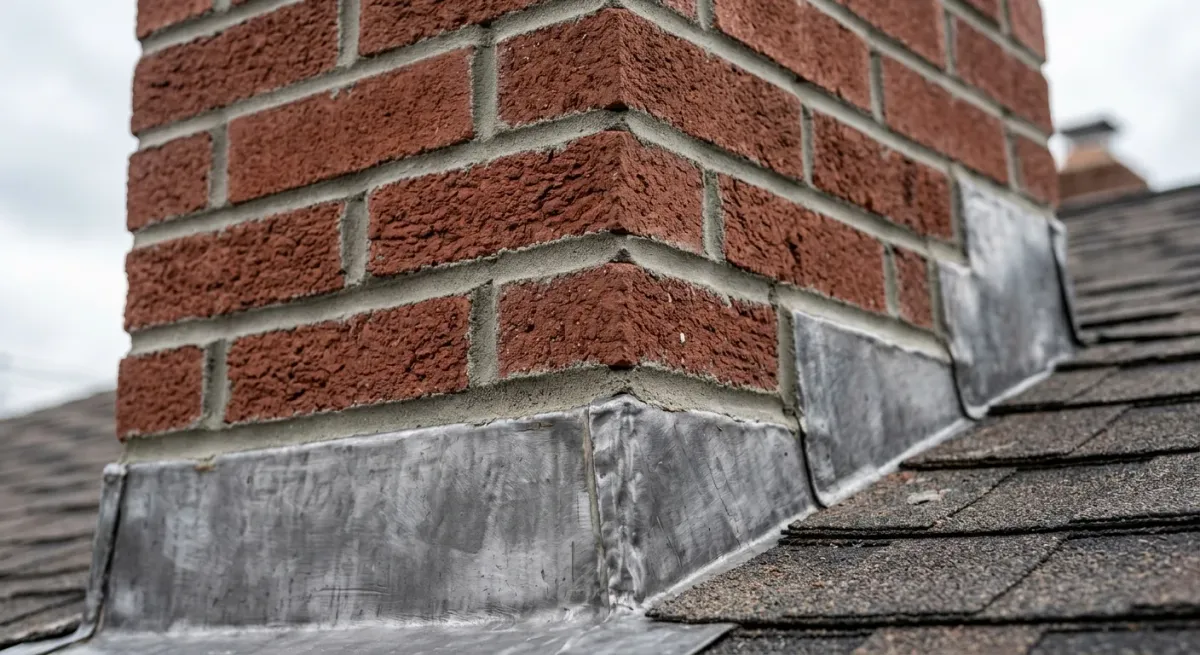
The gap between a chimney's exterior masonry and the house framing is a common failure point in South Hackensack's older homes. When that joint opens, moisture, pests, and cold air enter the wall cavity. It also creates a fire hazard if combustible framing is too close to a hot flue. Proper repair means addressing the flashing and the joint seal, not reaching for a tube of flex sealant. Flex seal is a temporary patch, not a chimney repair.
On the relining side, we work with stainless steel liner systems for most applications because they handle both wood-burning and gas appliances, they're NJ code-compliant, and they outlast poured refractory alternatives under freeze-thaw stress. For some older chimneys where the masonry is in sound condition, a poured liner is a legitimate option. We'll tell you which one fits your chimney's actual condition. Chimney repair and rain cap installation often go hand in hand in South Hackensack, where uncapped flues have let in decades of moisture.
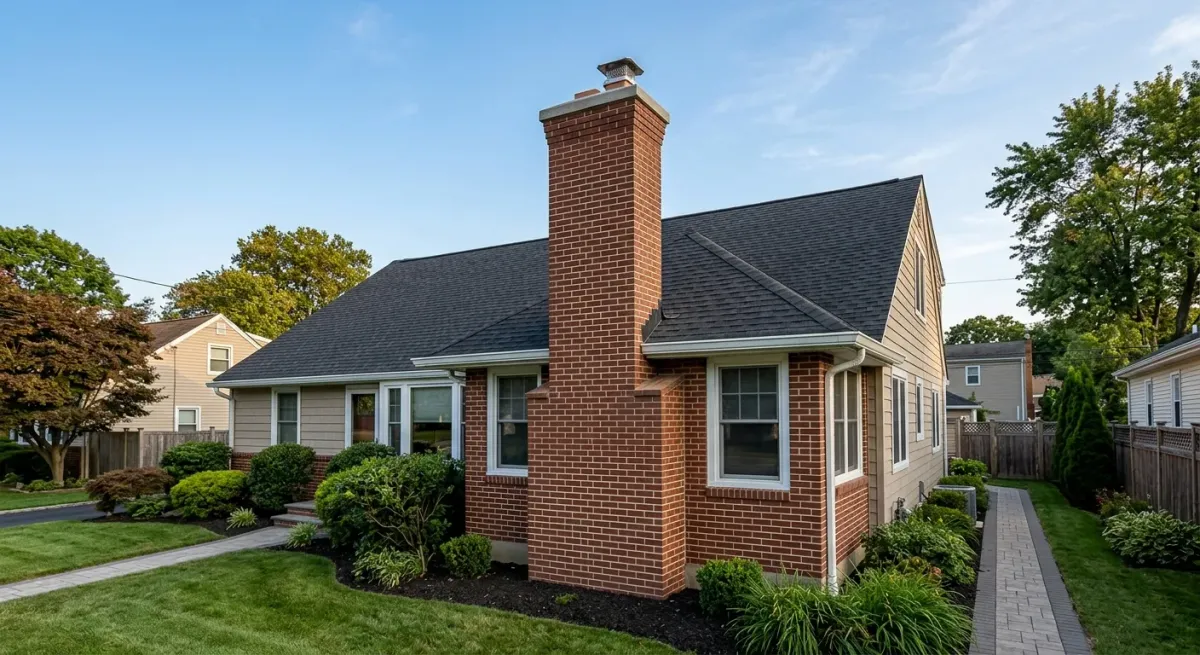
Services We Provide in South Hackensack
Chimney Cleaning
Full creosote removal using the correct method for the buildup stage present. We don't guess and we don't skip steps.
Chimney Inspections
Level 1, 2, and 3 inspections. Level 2 is required for most South Hackensack real estate transactions involving a fireplace.
Chimney Repair and Restoration
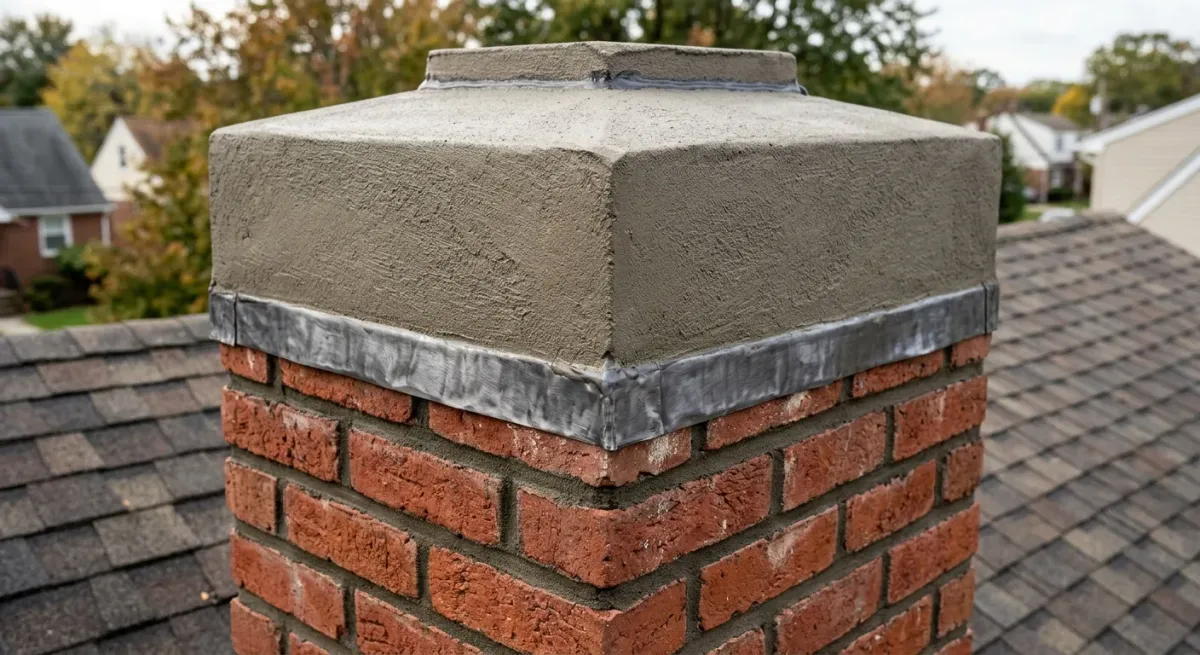
Tuckpointing, spalling brick repair, flashing repair, and crown restoration. Masonry work specific to the failure type, not a generic patch.
Smoke Chamber Cleaning
The smoke chamber collects glazed creosote that standard flue cleaning misses. Older South Hackensack fireplaces often haven't had this cleaned in years.
Rain Cap and Fan Installation
Uncapped flues are endemic in this area's older homes. A stainless cap stops moisture infiltration and animal entry. Fans resolve persistent draft problems.
Fireplace and Stove Cleaning
Wood stove and insert owners need separate attention from masonry chimney service. We handle both without conflating the two.
Schedule Your South Hackensack Chimney Service
The person you call is the person who does the work.
Frequently asked questions
Answers to your most common questions
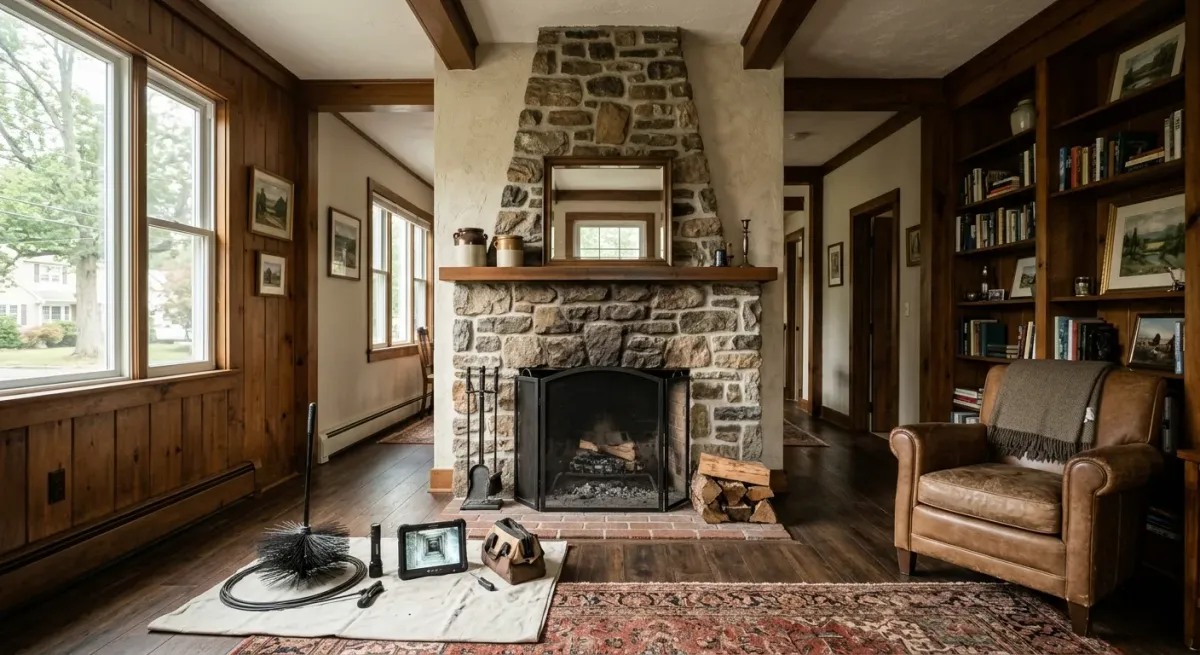
How often should I have my chimney swept in South Hackensack's climate?
Once a year is the baseline for a chimney in regular use. South Hackensack's winters run hard, and the freeze-thaw cycling starts early and ends late, which accelerates mortar deterioration and tile joint movement. If you're burning more than two cords of wood a season, or if you've been running a wood stove through multiple winters, a mid-season inspection isn't unreasonable. Annual professional cleaning at minimum, before the heating season begins.
What are the warning signs that a chimney in South Hackensack needs professional attention?
Smoke entering the living space when the damper is open is the most urgent sign. Others include white efflorescence staining on the chimney exterior (moisture is migrating through the masonry), crumbling mortar joints visible from the ground, a strong odor from the firebox when the fireplace isn't in use, and any evidence of rust on the damper or firebox. South Hackensack's older brick construction shows these symptoms on a predictable timeline; if the chimney hasn't been inspected in five or more years, assume something needs attention.
Does homeowners insurance cover chimney repairs in New Jersey?
It depends on the cause. Sudden, accidental damage from a storm or a verified chimney fire is typically covered. Deterioration from lack of maintenance is not. South Hackensack homeowners frequently discover that a cracked flue liner or failed crown is excluded because it's classified as deferred maintenance.
The practical advice: document your annual cleanings, keep inspection reports, and call your insurer before work starts to understand what they'll consider. We don't make representations about your specific policy, but we can document conditions accurately for any claim process.
What does the South Hackensack Building Department require for chimney work?
The South Hackensack Building Department issues permits for structural chimney projects, including relining and masonry restoration. They require phase inspections to confirm the work conforms to the permit and applicable building codes, and they use a UCC F370 Chimney Verification form for chimney projects specifically. Contact the building department directly before any significant repair work starts to confirm whether your project triggers a permit requirement. We work through this process routinely and can explain what to expect.
Why do pre-1970 South Hackensack homes have more chimney problems than newer construction?
Homes built in South Hackensack between 1950 and 1970 used clay tile flue liners and hand-laid brick masonry. That construction is durable, but it wasn't designed for the current fuel types or appliance configurations many homeowners now use. More practically, those chimneys are 50 to 70 years old.
The mortar joints, the crown, the flashing, and the clay tiles have all experienced decades of NJ's freeze-thaw cycles with a frost line at 36 inches. Without regular maintenance, the failures are structural, not cosmetic, and they're not visible until water is already inside the house.
What's the difference between a chimney cleaning and a chimney inspection in South Hackensack?
A chimney cleaning removes combustion deposits, primarily creosote, from the flue surfaces. A chimney inspection evaluates the structural and functional condition of the entire chimney system, including components that cleaning doesn't address: flue tile integrity, crown condition, flashing, firebox, and smoke chamber.
The two aren't interchangeable. Cleaning without inspection misses structural failures. Inspection without cleaning obscures the flue interior behind creosote buildup. For most South Hackensack homeowners doing annual service, we perform both in the same visit.
My South Hackensack attic has a leak around the chimney. What should I do?
Stop using the fireplace until the source is identified. Chimney leaks in South Hackensack's older homes most commonly originate at the flashing, which is the metal seal between the chimney masonry and the roof surface. Flashing fails from corrosion, movement, and improper original installation.
Secondary causes include a cracked chimney crown, deteriorated mortar joints at the top courses, or the absence of a rain cap. Each of those has a different fix. A visual inspection from the roof and from inside the flue will identify it. Don't apply flex seal or roofing tar as a substitute; those are temporary patches that defer a repair that only gets more expensive with additional water intrusion.
Related
Next step
Tell us about the job
Your name, your number and what needs doing. A person from Apex Pro Chimney Solution gets back to you.
- Send the detailsYour name, your number and what needs doing.
- John gets back to youA person, not a call center.
- On-site assessmentThe chimney is checked before any work starts.
Request an estimate
No obligation